What is a DTC (Diagnostic Trouble Code), and how many types are there?

A "DTC" or Diagnostic Trouble Code is a unique alphanumeric code that represents a specific issue detected by the vehicle's OBD-II system. Read more…

A "DTC" or Diagnostic Trouble Code is a unique alphanumeric code that represents a specific issue detected by the vehicle's OBD-II system. Read more…

An "EGR Valve" code, commonly displayed as a "P0401" code, signifies a problem with the Exhaust Gas Recirculation (EGR) system. The EGR system is responsible for redirecting exhaust gases to engine. Read more…

An "Oxygen Sensor" code, often represented as a "P0130" or similar, indicates an issue with one of the oxygen sensors in the exhaust system. Read more…

A "Misfire" code, often displayed as a "P0300" or specific cylinder code (e.g., P0301 for cylinder 1), indicates that the OBD-II system has detected an engine misfire. Read more…
A "Catalytic Converter Efficiency" code (e.g., P0420 or P0430) typically indicates that the catalytic converter is not performing at its optimal level. Read more…

The "Check Engine" light, also known as the Malfunction Indicator Lamp (MIL), is an indicator on the dashboard that illuminates when the OBD-II system detects a problem with the vehicle. Read more…
Retrieving OBD-II codes from your car is a straightforward process. Locate the OBD-II port, which is typically found under the dashboard on the driver's side. Read more…

Why is my electric vehicle not charging? What's the typical range for my electric vehicle, and why does it vary? How can I improve my electric vehicle's range? Read more…

Why will my car not start? What does it mean if my check engine light is on? Why is my car making a strange noise? How do I know if my brakes need to be replaced? Why is my car overheating? Read more…

The Check Engine Light or Service Engine Soon Warning Light is one of the most frustrating and confusing warnings for vehicle owners. Read more…
In the context of On-Board Diagnostics II (OBD-II), which is a standardized system used in vehicles to monitor and report issues related to emissions and engine performance. Read more…
The Body Controller Area Network (B-CAN) And the Fast Controller Area Network share information between multiple Electronic Control Units (ECUs). Read more…

Resetting the Check Engine Light (CEL) can be done using various methods, but it's important to note that simply clearing the light without addressing the underlying issue may lead to the light returning. Read more…

Starting from 1996 all vehicles with an OBDII system require at least two exhaust sensors. The sensors are located before and after the catalytic converter. Read more…
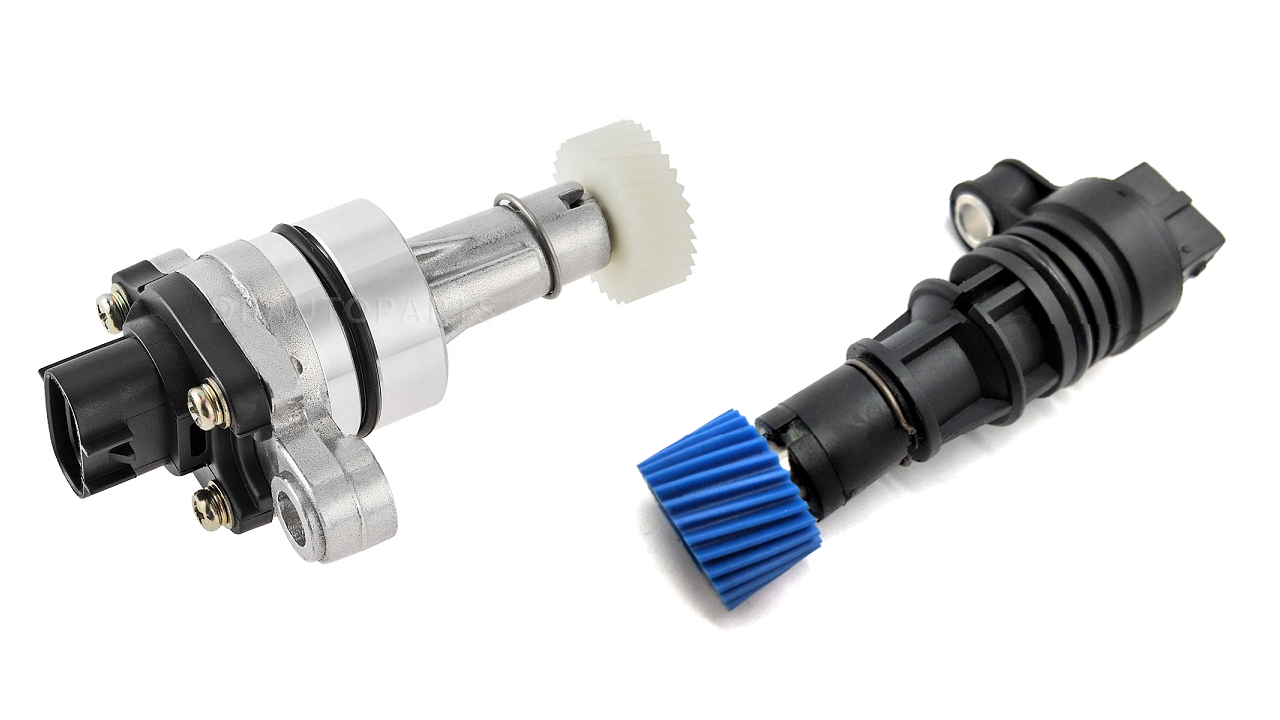
Vehicle Speed Sensors come in several different designs depending on the manufacturer. They are used as sensor input for computerized systems of the ABS and Traction Control vehicles. Read more…

A Throttle Position Sensor (TPS) is a sensor that measures the position of the throttle valve in an internal combustion engine. The TPS is usually located on the throttle body. Read more…
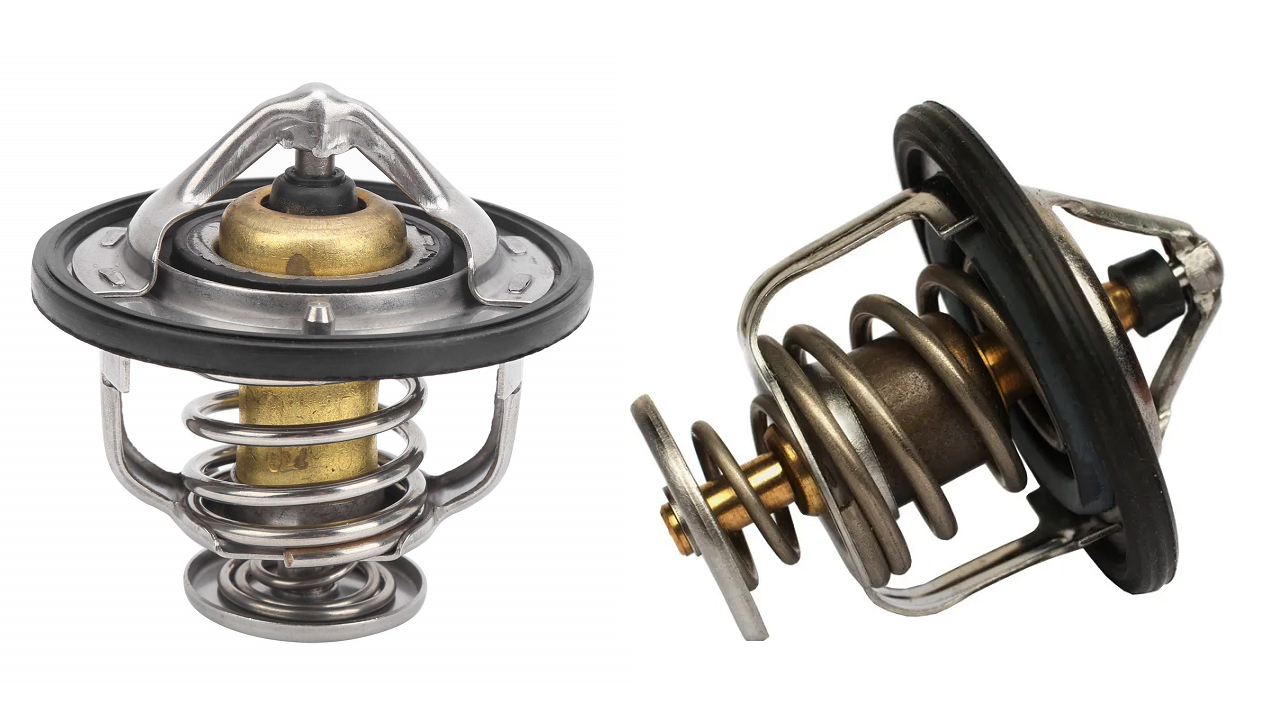
A vehicle thermostat is a crucial component of the engine's cooling system. It is designed to regulate the engine's operating temperature by controlling the flow of coolant through the engine and radiator. Read more…
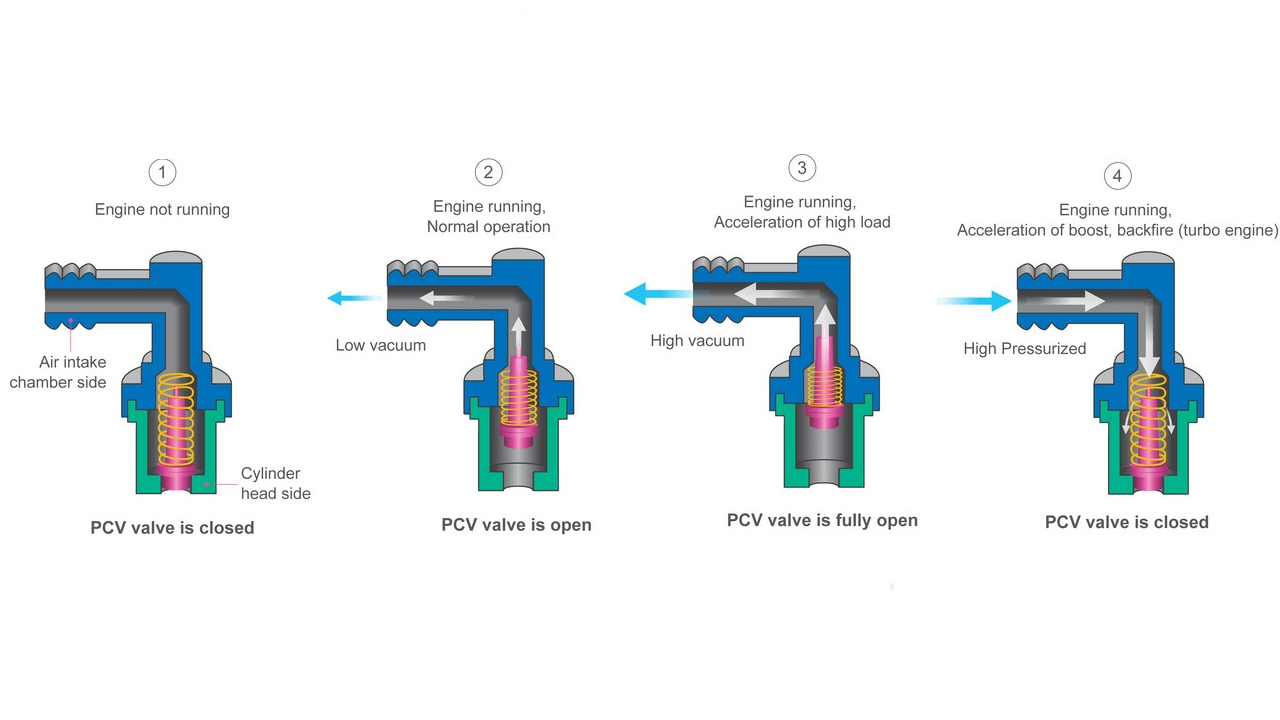
Positive Crankcase Ventilation (PCV) is an emissions control system used in internal combustion engines to manage and reduce the buildup of harmful gases and pollutants within the engine's crankcase. Read more…
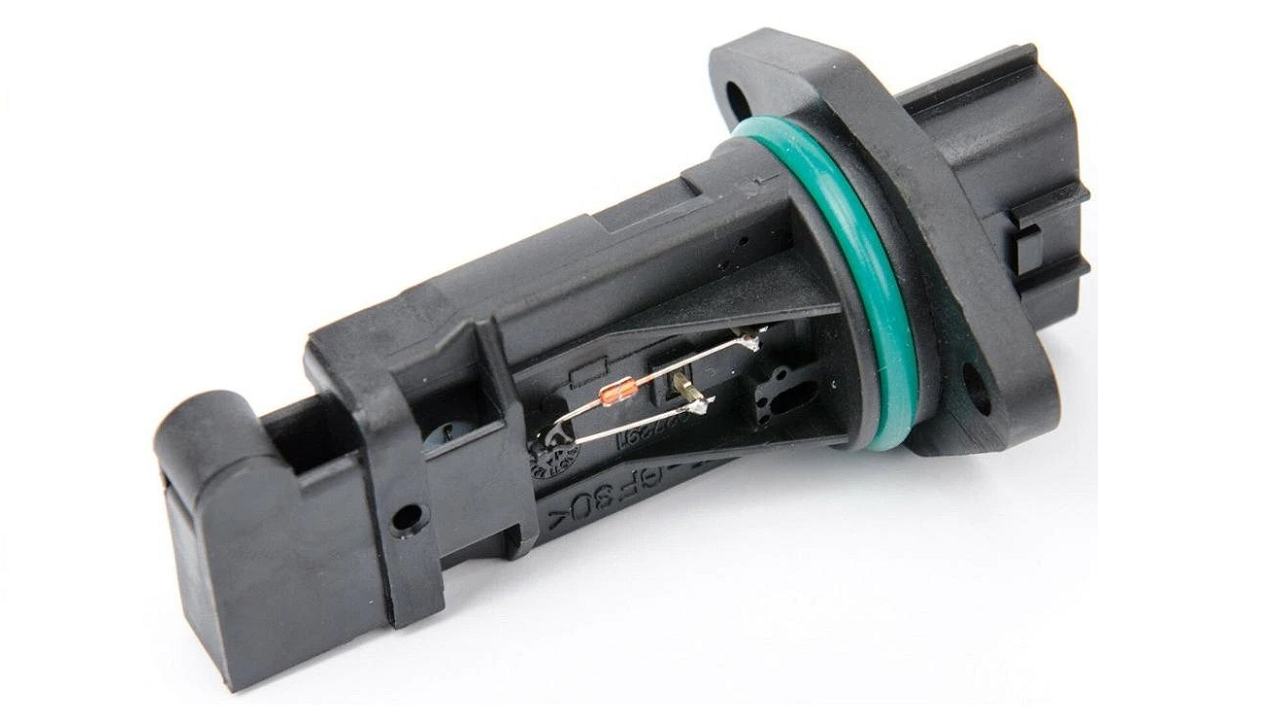
The Mass Air Flow (MAF) sensor is an important component in the engine management system of a vehicle. It measures the mass of the air entering the engine's intake system. Read more…

The Manifold Absolute Pressure (MAP) sensor is a critical component in the engine management system of a vehicle. It measures the absolute pressure of the air within the engine's intake manifold. Read more…