Oxygen Sensor and Air Fuel Ratio Sensor

Starting from 1996 all vehicles with an OBDII system require at least two exhaust sensors. The sensors are located before and after the catalytic converter. Read more…

Starting from 1996 all vehicles with an OBDII system require at least two exhaust sensors. The sensors are located before and after the catalytic converter. Read more…
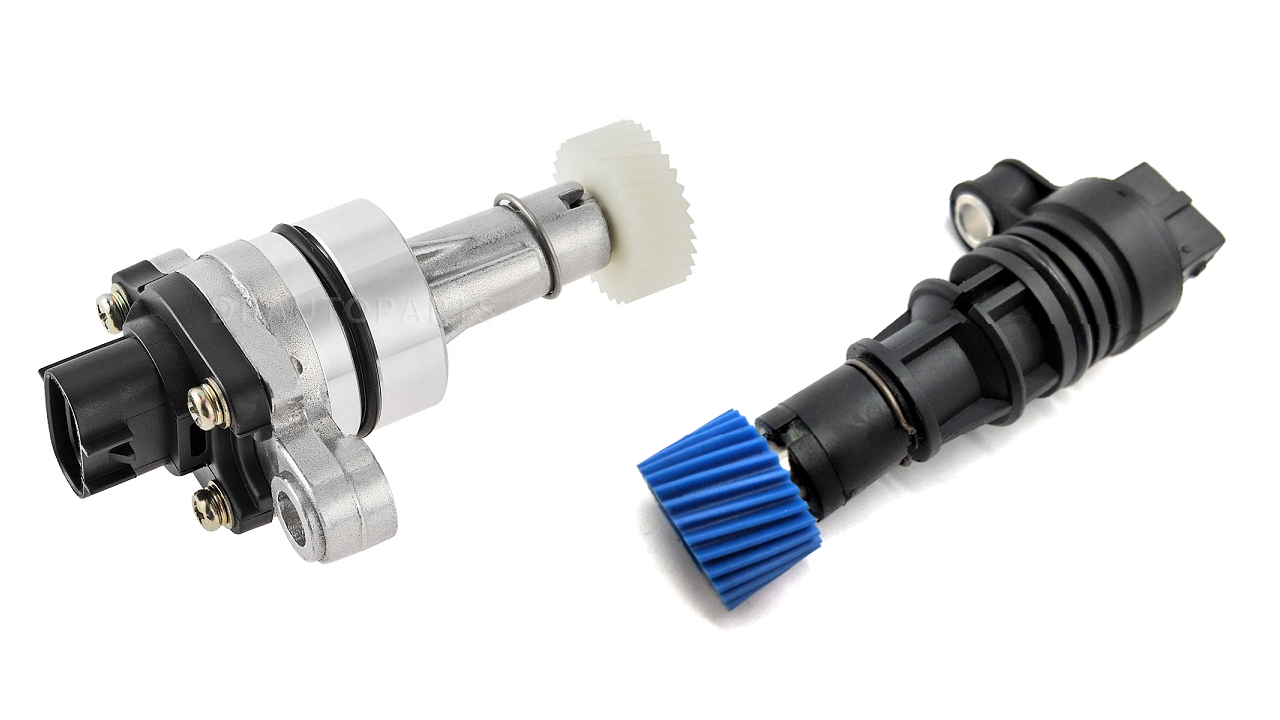
Vehicle Speed Sensors come in several different designs depending on the manufacturer. They are used as sensor input for computerized systems of the ABS and Traction Control vehicles. Read more…

A Throttle Position Sensor (TPS) is a sensor that measures the position of the throttle valve in an internal combustion engine. The TPS is usually located on the throttle body. Read more…
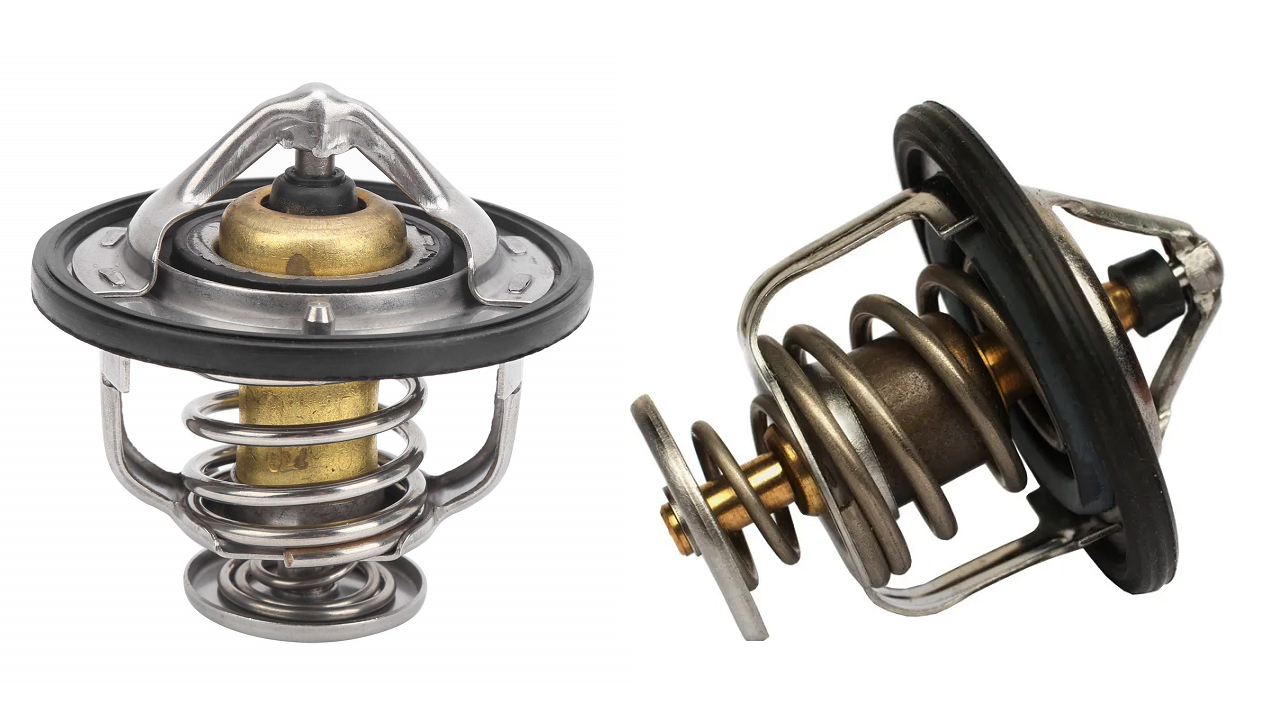
A vehicle thermostat is a crucial component of the engine's cooling system. It is designed to regulate the engine's operating temperature by controlling the flow of coolant through the engine and radiator. Read more…
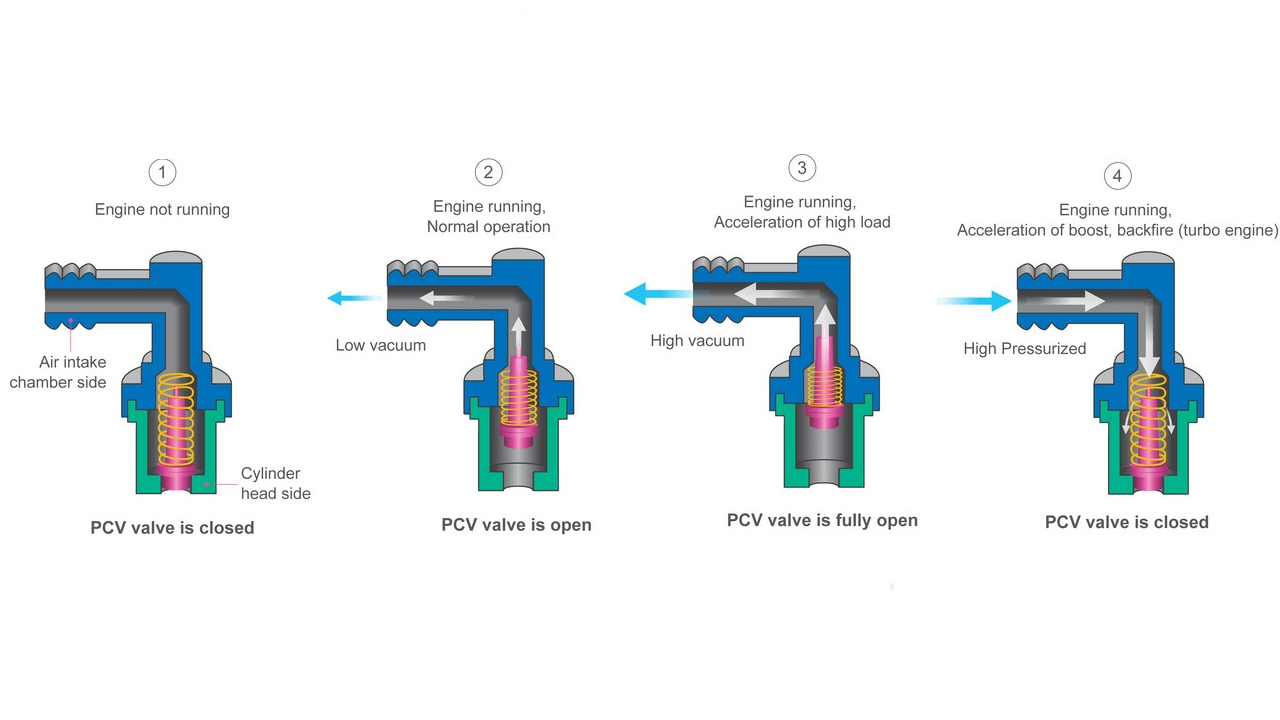
Positive Crankcase Ventilation (PCV) is an emissions control system used in internal combustion engines to manage and reduce the buildup of harmful gases and pollutants within the engine's crankcase. Read more…
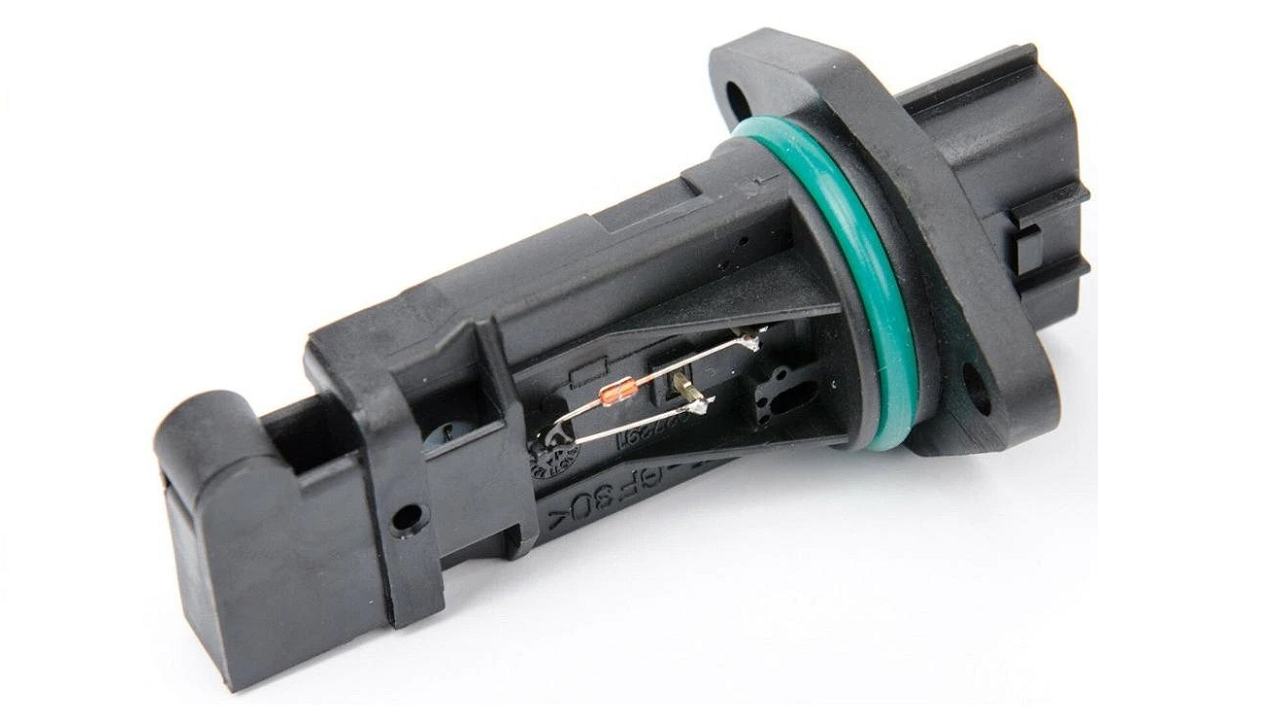
The Mass Air Flow (MAF) sensor is an important component in the engine management system of a vehicle. It measures the mass of the air entering the engine's intake system. Read more…

The Manifold Absolute Pressure (MAP) sensor is a critical component in the engine management system of a vehicle. It measures the absolute pressure of the air within the engine's intake manifold. Read more…
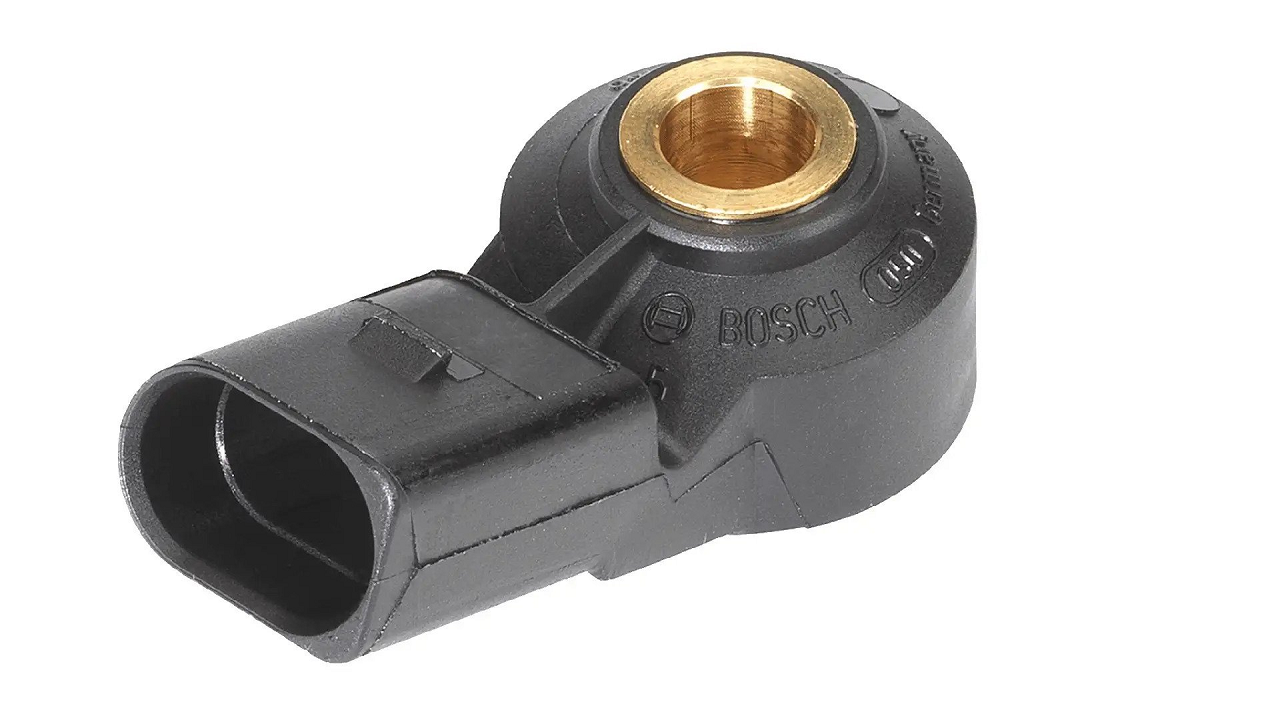
A knocking vibration from the cylinder block is sensed as vibrational pressure by the Knock Sensor. This pressure is converted into a voltage signal and sent to the Engine Control Module (ECM). Read more…
Intake Air Temperature (IAT) refers to the temperature of the air that is being drawn into the engine's intake manifold before it enters the combustion chambers. Read more…
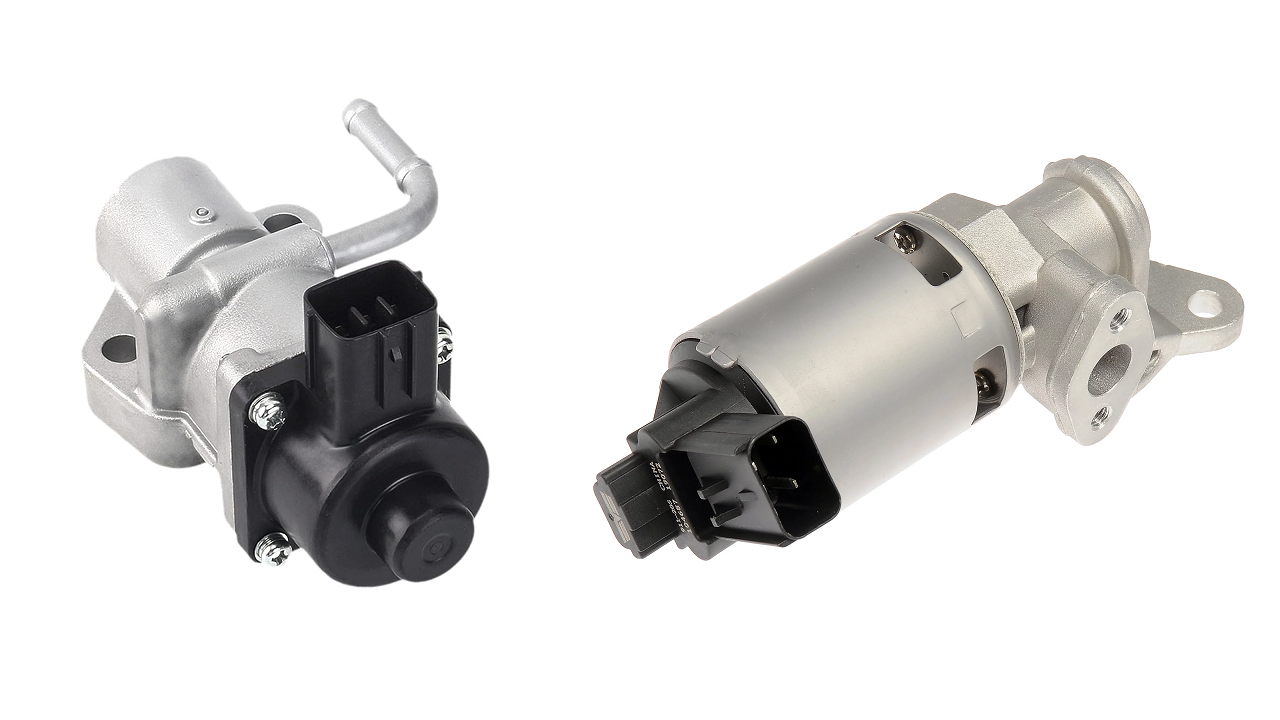
Exhaust Gas Recirculation (EGR) is an emissions control technology used in internal combustion engines, particularly in gasoline and diesel-powered vehicles. Read more…
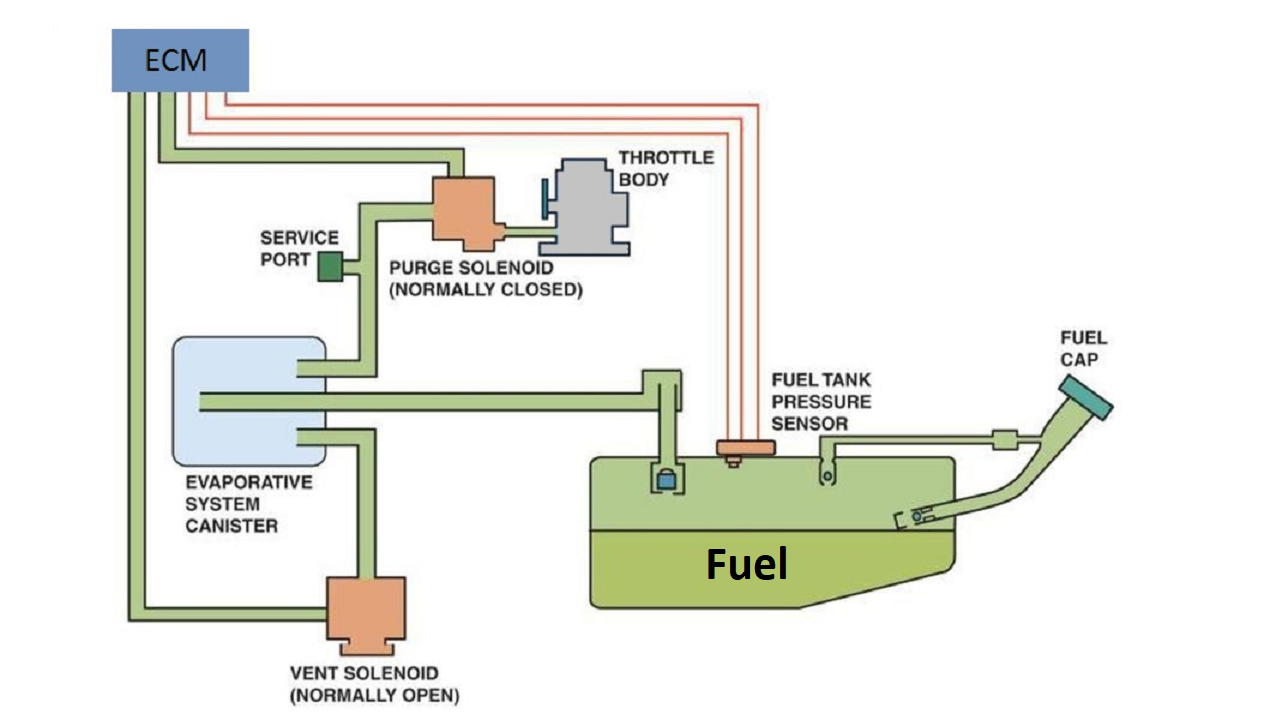
The Evaporative Emission Control System (EVAP system) is an integral part of a vehicle's emission control system. Its primary purpose is to prevent the release of fuel vapors from the fuel tank and fuel system. Read more…
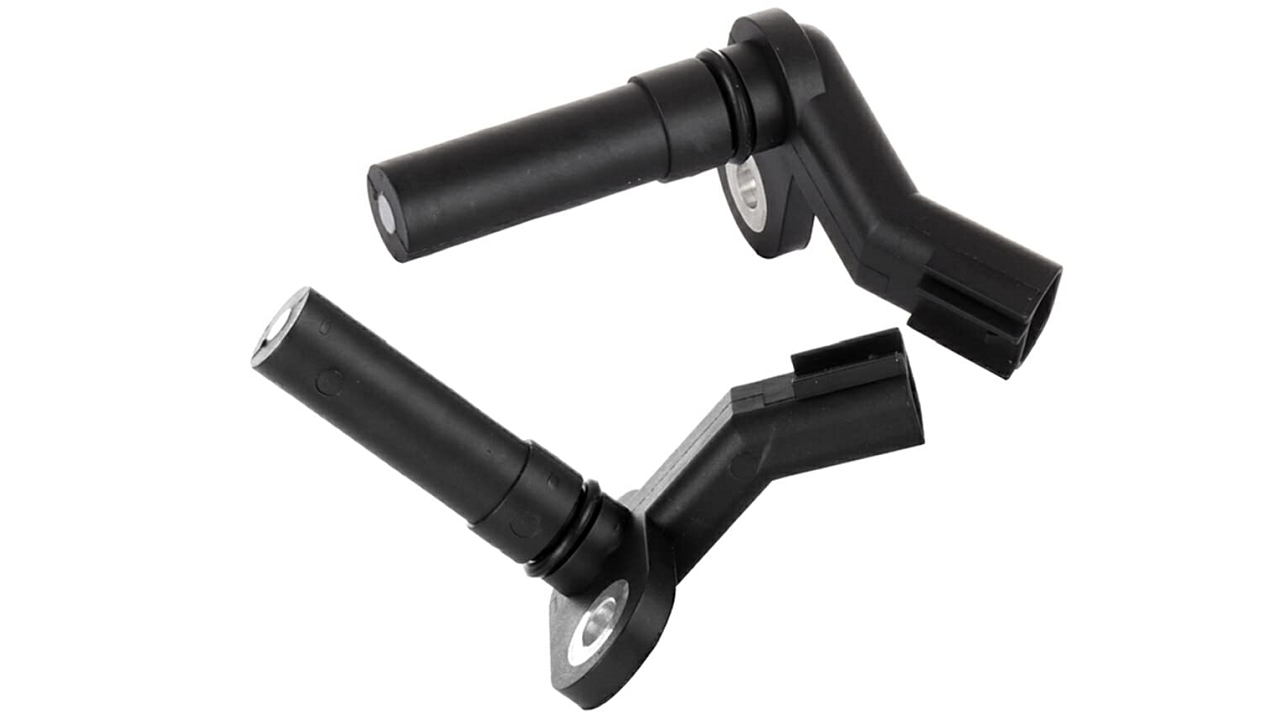
A Crankshaft Position Sensor (CKP sensor) is an important component in the engine management system of a vehicle. It's responsible for monitoring the rotational speed and position of the crankshaft. Read more…

A Coolant Temperature Sensor (CTS), also known as an Engine Coolant Temperature Sensor (ECT sensor), is a crucial component in a vehicle's engine management system. Read more…
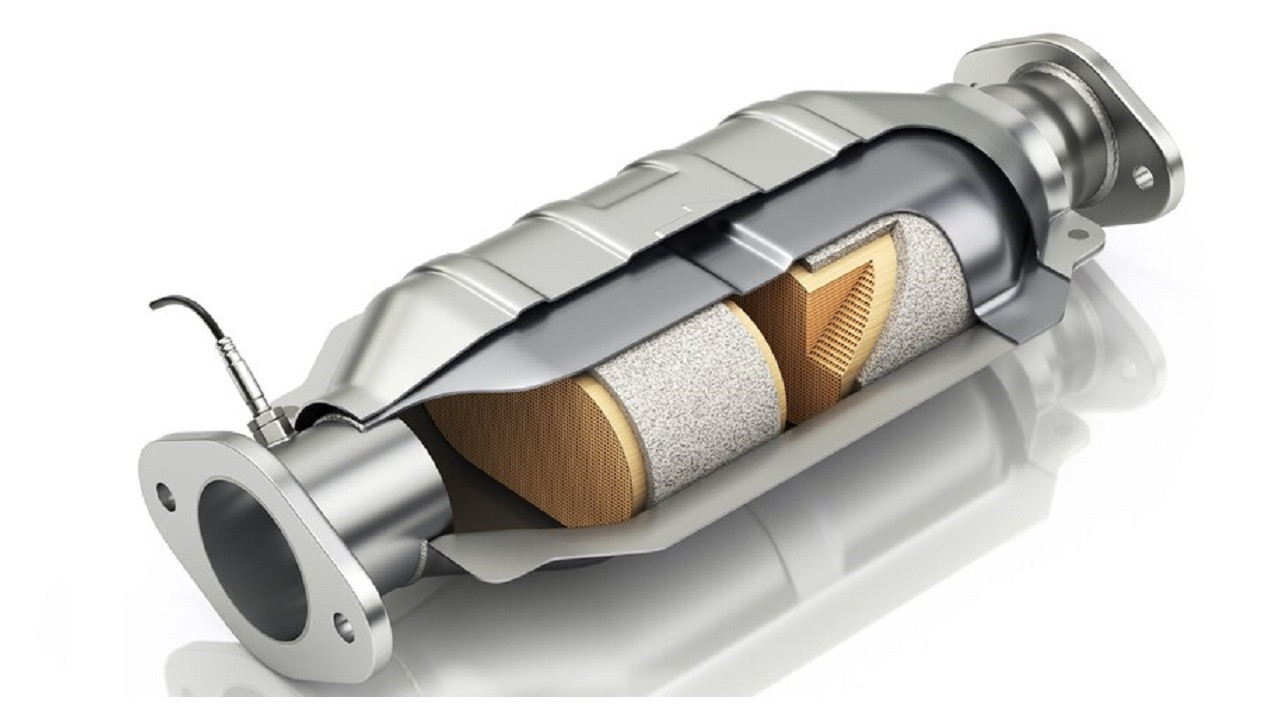
A Three-Way Catalytic (TWC) converter is used to reduce exhaust emissions. This type of converter can reduce hydrocarbons (HC), carbon monoxide (CO), and oxides of nitrogen (NOx). Read more…

A Camshaft Position Sensor (CMP sensor) is an essential component in modern internal combustion engines. It is responsible for monitoring the position and rotational speed of the camshaft. Read more…