Knock Sensor
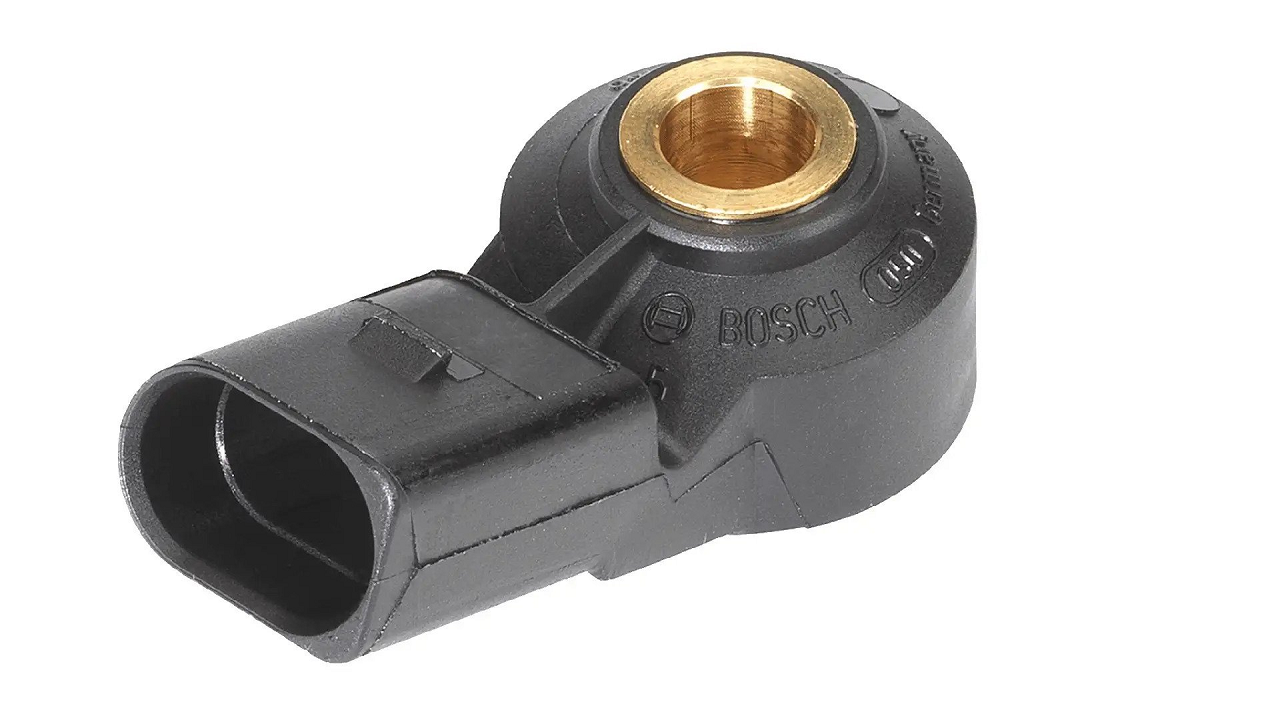
A knocking vibration from the cylinder block is sensed as vibrational pressure by the Knock Sensor. This pressure is converted into a voltage signal and sent to the Engine Control Module (ECM). Read more…

A knocking vibration from the cylinder block is sensed as vibrational pressure by the Knock Sensor. This pressure is converted into a voltage signal and sent to the Engine Control Module (ECM). Read more…
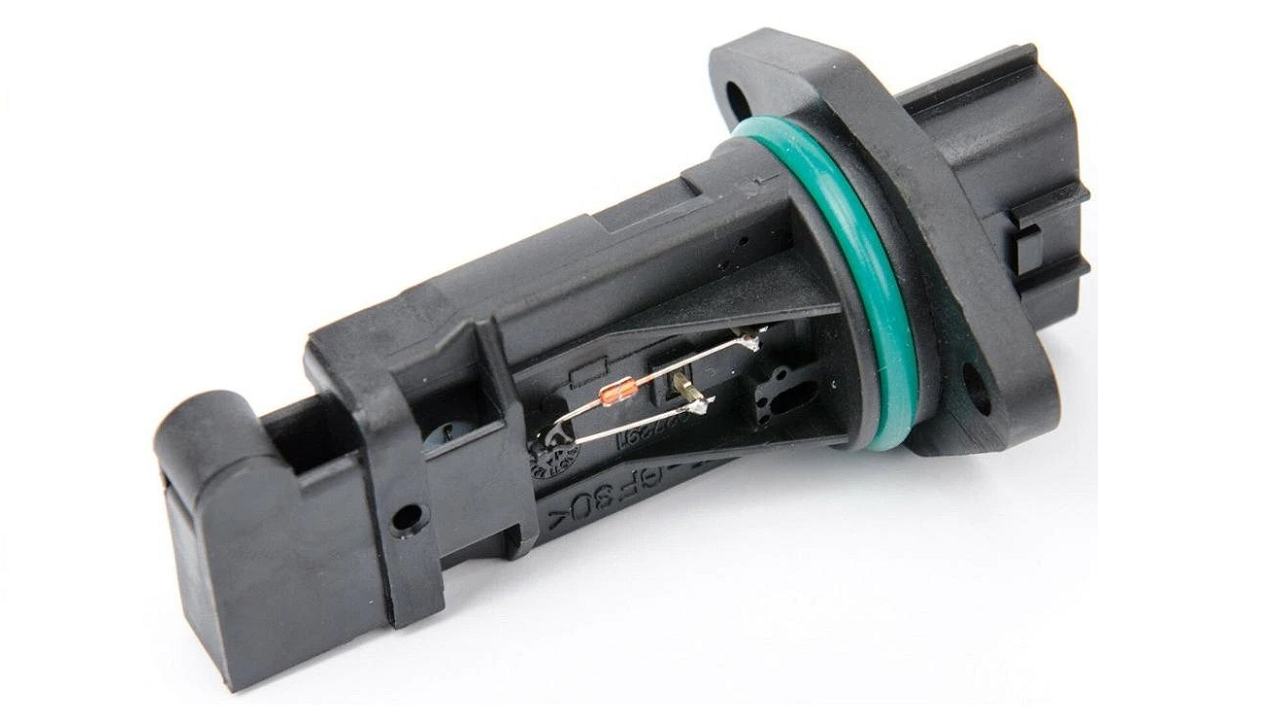
Intake Air Temperature (IAT) refers to the temperature of the air that is being drawn into the engine's intake manifold before it enters the combustion chambers. Read more…
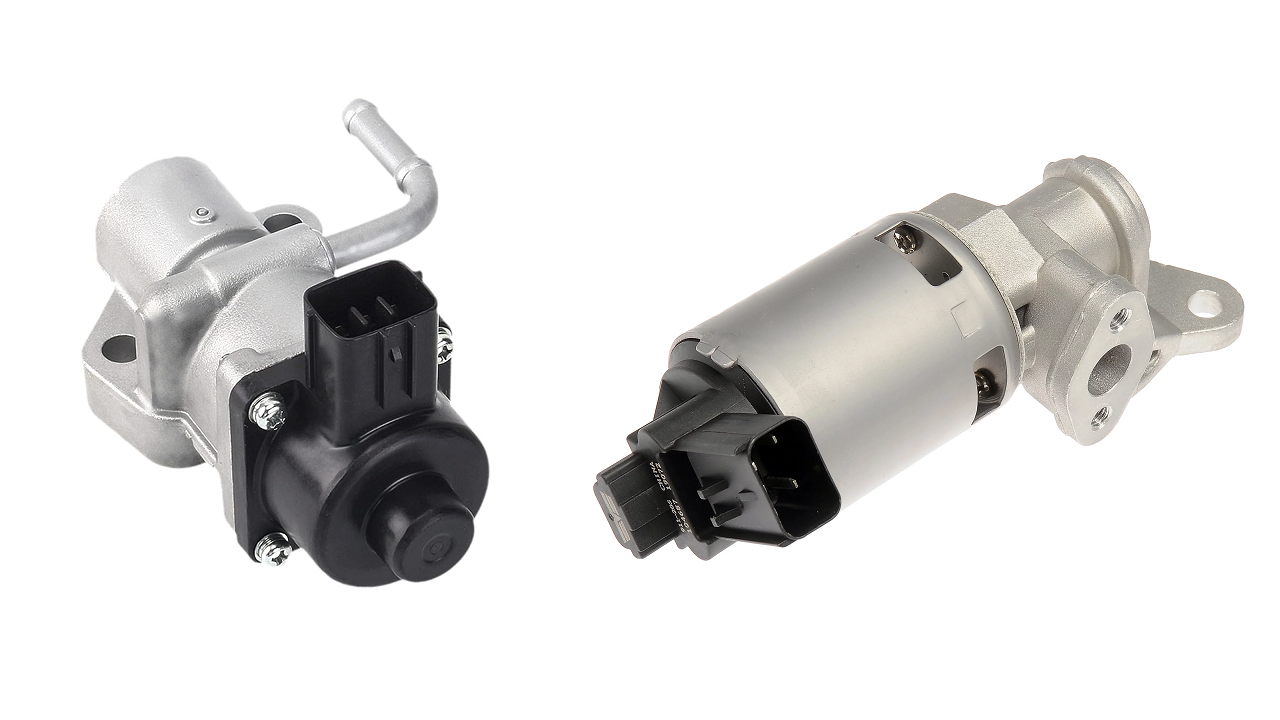
Exhaust Gas Recirculation (EGR) is an emissions control technology used in internal combustion engines, particularly in gasoline and diesel-powered vehicles. Read more…
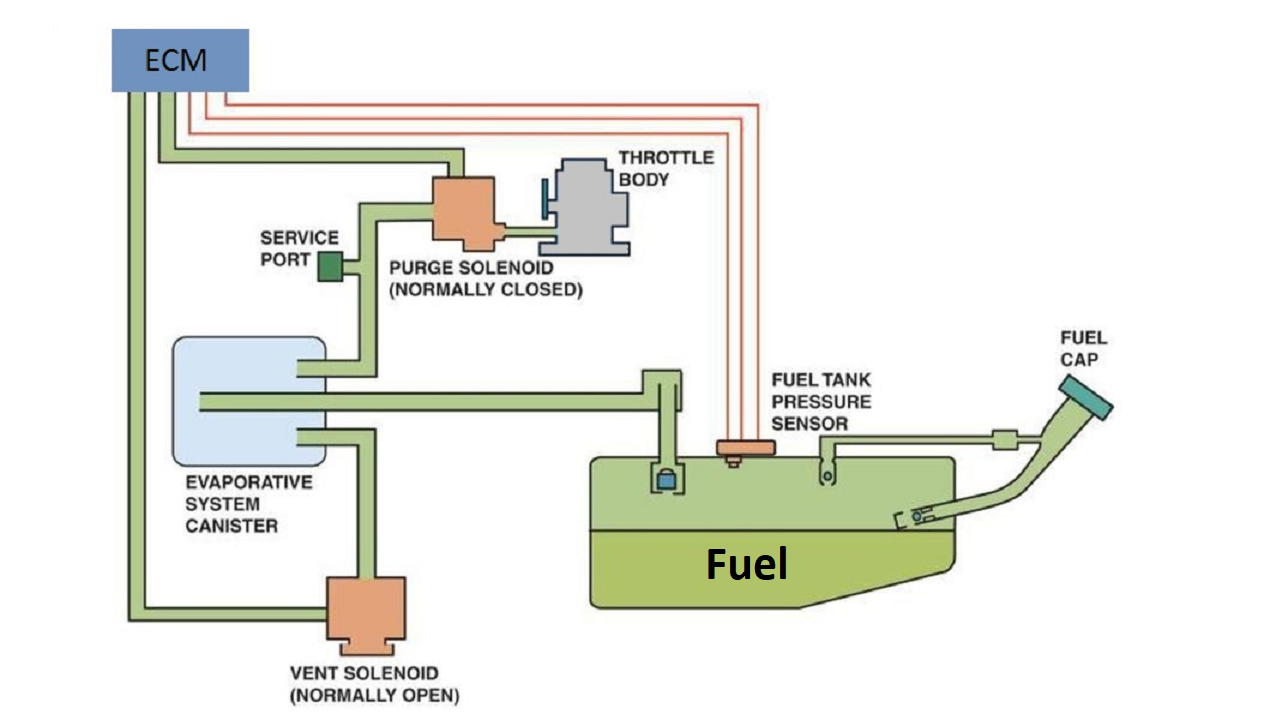
The Evaporative Emission Control System (EVAP system) is an integral part of a vehicle's emission control system. Its primary purpose is to prevent the release of fuel vapors from the fuel tank and fuel system. Read more…
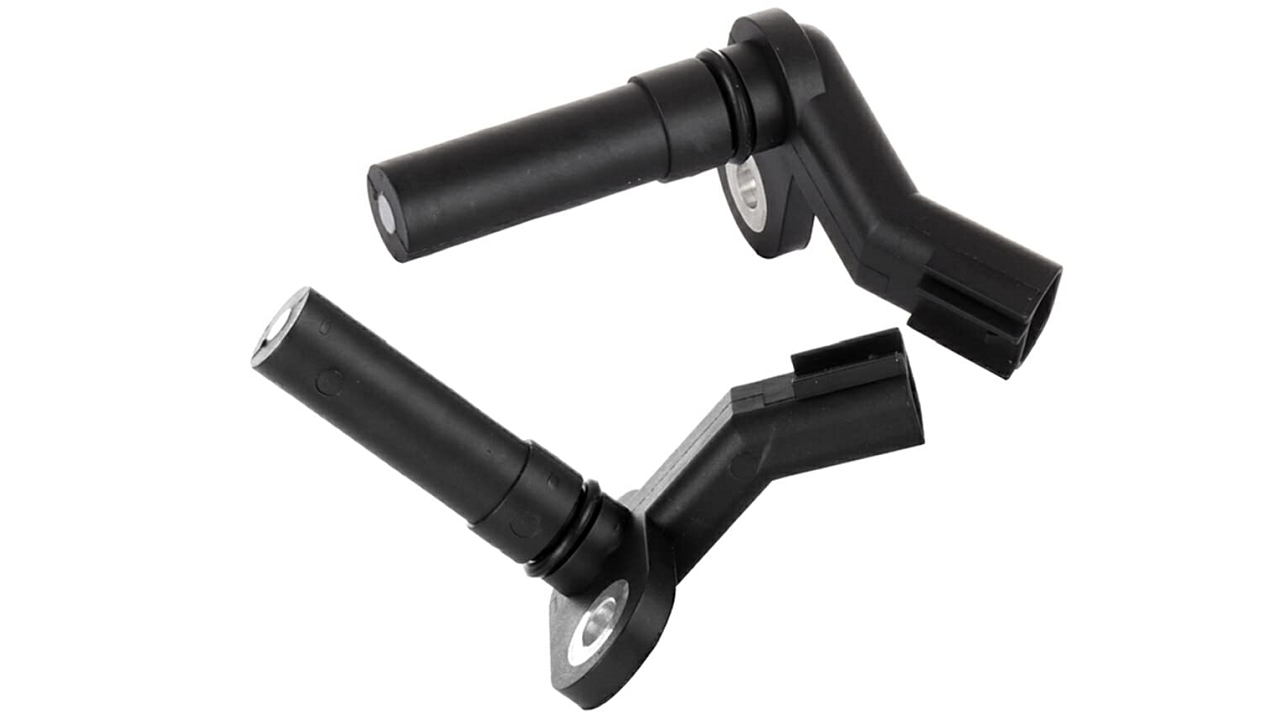
A Crankshaft Position Sensor (CKP sensor) is an important component in the engine management system of a vehicle. It's responsible for monitoring the rotational speed and position of the crankshaft. Read more…

A Coolant Temperature Sensor (CTS), also known as an Engine Coolant Temperature Sensor (ECT sensor), is a crucial component in a vehicle's engine management system. Read more…
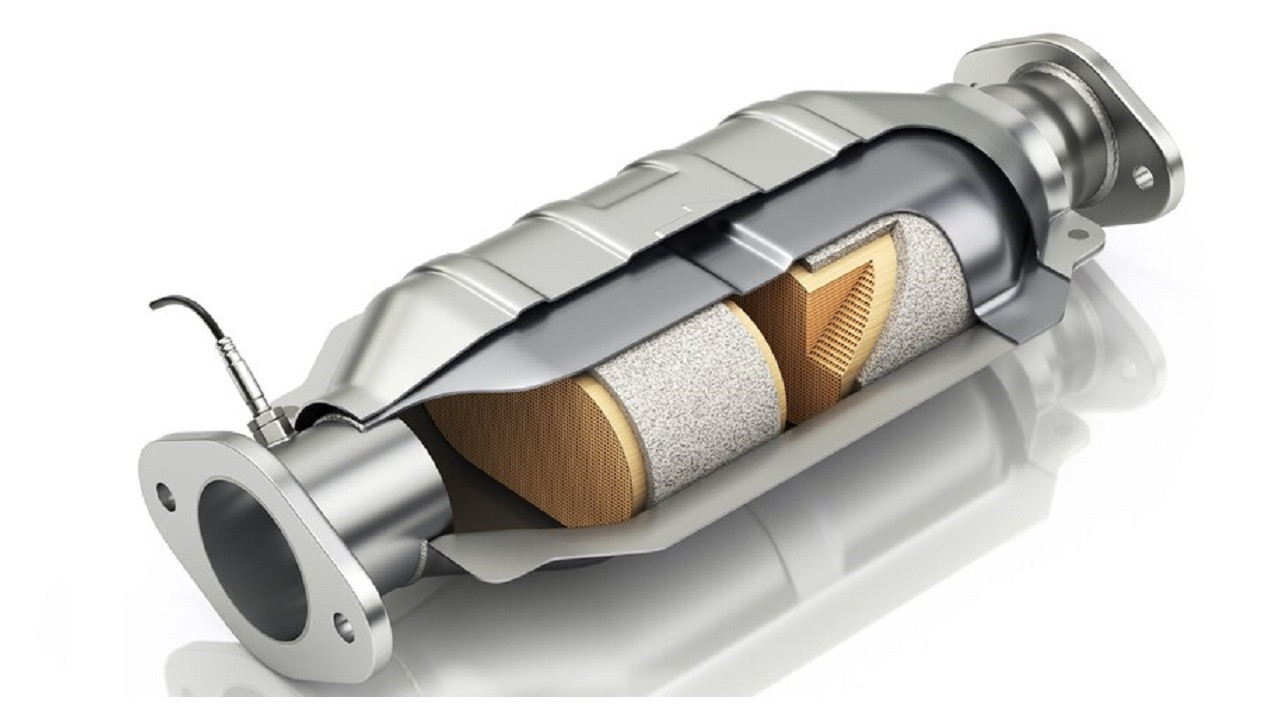
A Three-Way Catalytic (TWC) converter is used to reduce exhaust emissions. This type of converter can reduce hydrocarbons (HC), carbon monoxide (CO), and oxides of nitrogen (NOx). Read more…

A Camshaft Position Sensor (CMP sensor) is an essential component in modern internal combustion engines. It is responsible for monitoring the position and rotational speed of the camshaft. Read more…

The 'Tech Notes' are special pieces of information provided by the editor or creator of the OBDII (On-Board Diagnostics II) code article. These valuable 'Tech Notes' . Read more…
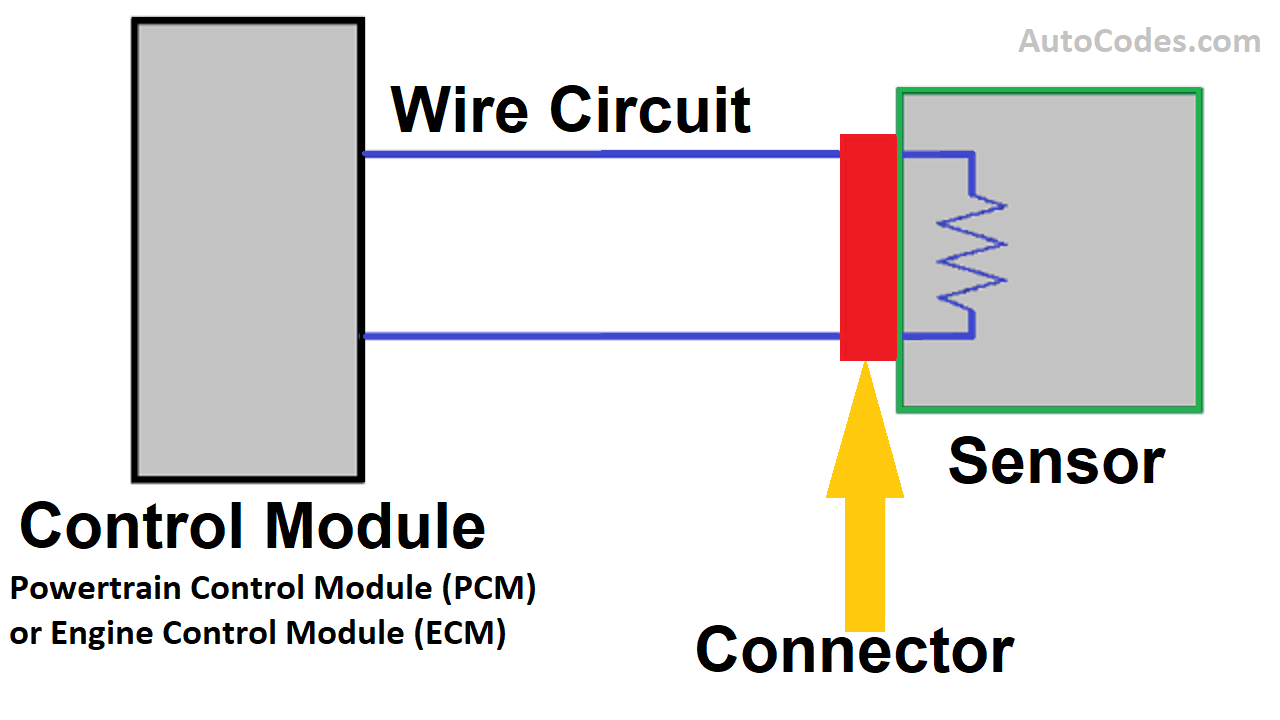
The "Possible Causes" is the list of all the items, components, or circuits that should be inspected, tested, repaired, or replaced to fix the OBDII code. Read more…

In the automotive industry, a Technical Service Bulletin (TSB) is a communication issued by a vehicle manufacturer to authorized dealerships and service centers. Read more…

PCM stands for Powertrain Control Module. It is a computer that controls the engine, transmission, and other powertrain components. The PCM receives input from sensors throughout the vehicle. Read more…

ECM stands for Engine Control Module. It is a computer that controls the engine in a vehicle. The ECM receives input from sensors throughout the engine, and it uses this information to make decisions about how to operate the engine. Read more…

When the engine is cold and is started or there is a malfunction with the engine, the engine operates in an "Open Loop" meaning that the Engine Control Module (ECM). Read more…

The terms "bank 1" and "bank 2" are used to refer to the two sides of an engine. In a V-shaped engine, the banks are the two "Vs" that make up the engine. In an inline engine, the banks are the two rows of cylinders. Read more…

If the Service Engine Soon or Check Engine light turns on while you're driving, it means that there is a problem with your car's engine or emissions system. Read more…
A flashing Service Engine Soon or Check Engine light is a serious warning sign that there is a problem with your vehicle's engine. Read more…
To determine if the OBDII (On-Board Diagnostics II) system in your vehicle is working correctly, you can perform a few simple checks and tests. Read more…
If the light comes ON and stays ON, the On-Board Diagnostic (OBD) system has detected a problem. The OBD system monitors the vehicle's performance and regulates engine speed (RPM), fuel mixture, and ignition timing. Read more…
The Service Engine Soon or Check Engine light is a warning light on your dashboard that indicates there is a problem with your car's engine or emissions system. Read more…