Cars Articles and OBDII Components Description
Home
·
Articles
· Last Edited Aug 27, 2023 · 1,700 views
To fix an OBDII (On-Board Diagnostics II) code, you'll need a combination of tools and resources to diagnose and address the underlying issue. Here's a list of tools you might need:
Read more…
Home
·
Articles
· Last Edited Aug 27, 2023 · 408 views
Yes, you can drive your car with a bad A/C compressor. The A/C compressor is a component of the air conditioning system, and if it's not functioning properly, it won't prevent you from driving your car.
Read more…
Home
·
Articles
· Last Edited Aug 27, 2023 · 702 views
An "Oxygen Sensor" (O2 sensor) is a critical component of a vehicle's emissions control system. Its primary function is to measure the amount of oxygen in the exhaust gases and provide feedback.
Read more…
Home
·
Articles
· Last Edited Aug 27, 2023 · 1,340 views
A "Throttle Body" code, typically displayed as "P0120" (Throttle/Pedal Position Sensor/Switch 'A' Circuit) or similar, indicates an issue with the throttle body or the throttle position sensor (TPS).
Read more…
Home
·
Articles
· Last Edited Aug 27, 2023 · 1,494 views
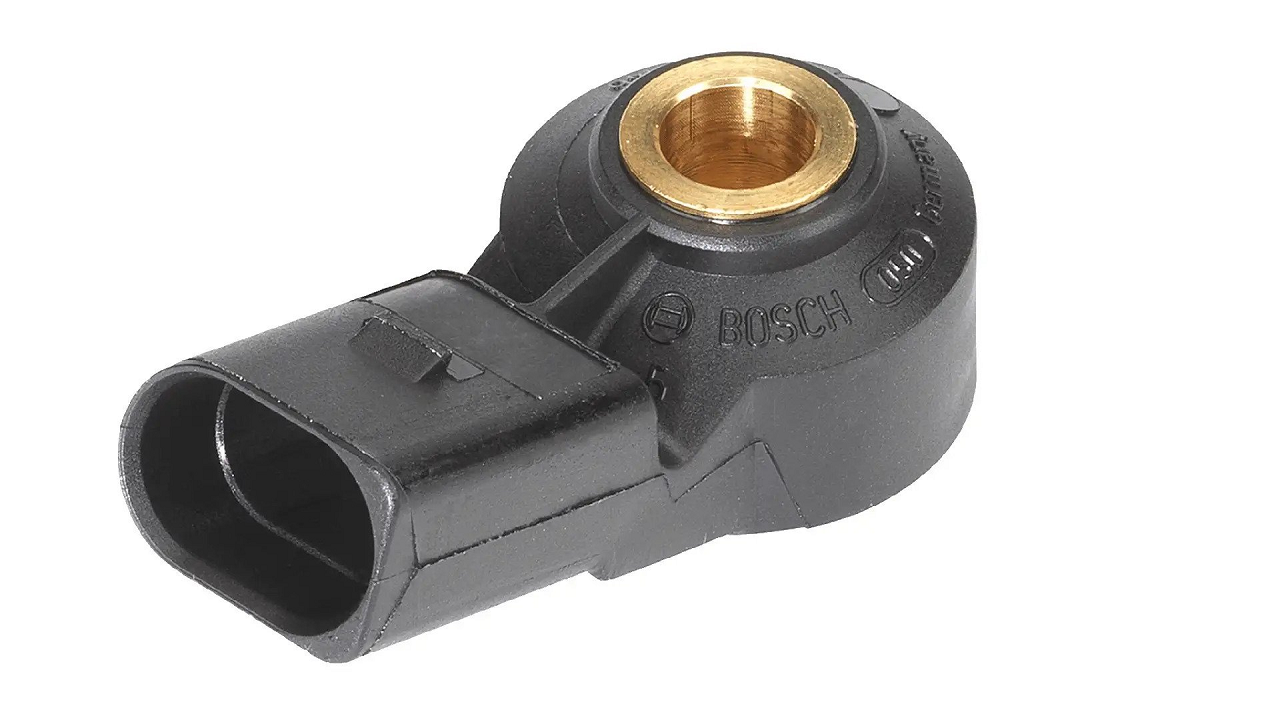
The "Knock Sensor" is a vital component in modern vehicle engines, particularly those equipped with electronic fuel injection and ignition systems.
Read more…
Home
·
Articles
· Last Edited Aug 27, 2023 · 521 views
The "Fuel Pressure Regulator" is a critical component of the vehicle's fuel delivery system, particularly in vehicles with electronic fuel injection (EFI).
Read more…
Home
·
Articles
· Last Edited Aug 27, 2023 · 4,936 views
Fixing an OBD-II (On-Board Diagnostics) code involves identifying the underlying issue that triggered the code and then taking appropriate steps to address the problem.
Read more…
Home
·
Articles
· Last Edited Aug 27, 2023 · 350 views
When your check engine light is solid, it typically indicates that your vehicle's onboard diagnostics system (OBD-II) has detected a potential issue with the engine or emissions system.
Read more…
Home
·
Articles
· Last Edited Aug 27, 2023 · 811 views
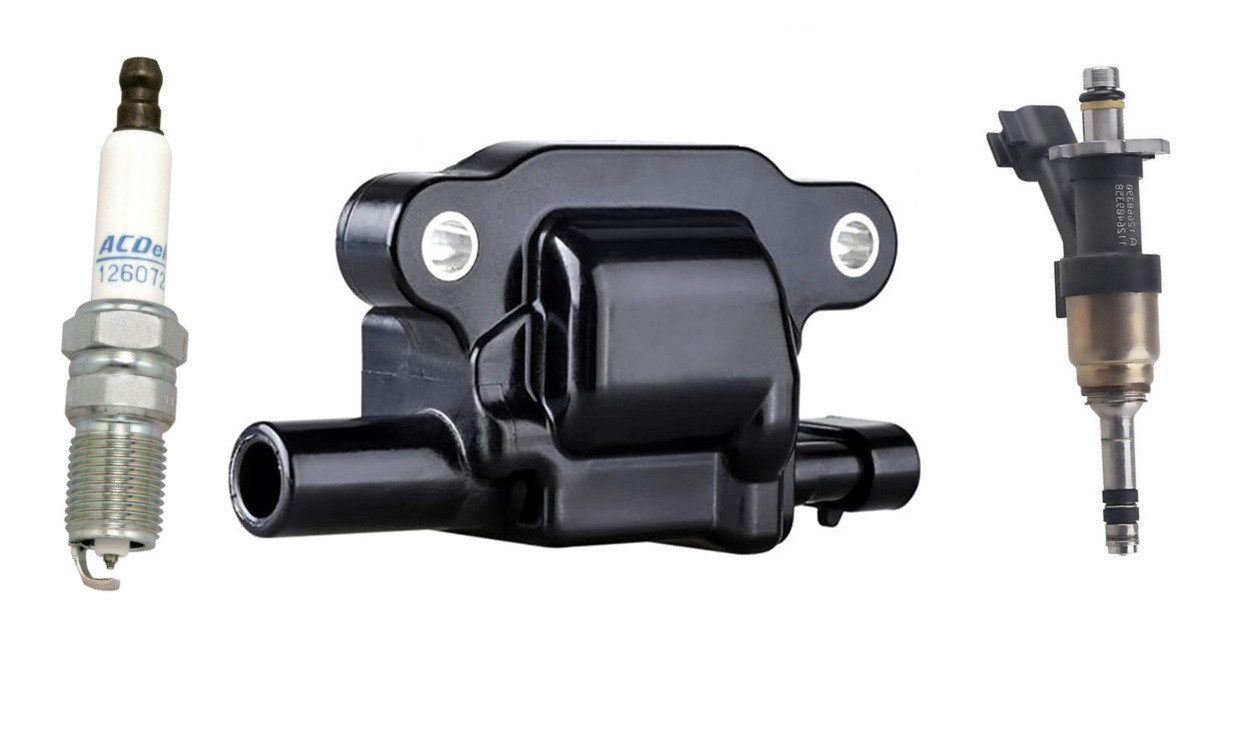
An "Ignition Coil" code, commonly displayed as "P0351" (Ignition Coil A Primary/Secondary Circuit Malfunction) or similar, indicates an issue with one of the ignition coils in the vehicle's ignition system.
Read more…
Home
·
Articles
· Last Edited Aug 27, 2023 · 449 views
A "Camshaft Position Sensor" code, commonly indicated as "P0340" or similar, suggests a problem with the camshaft position sensor (CPS). The CPS is responsible for monitoring the position and speed of the camshaft(s).
Read more…
Home
·
Articles
· Last Edited Aug 27, 2023 · 412 views
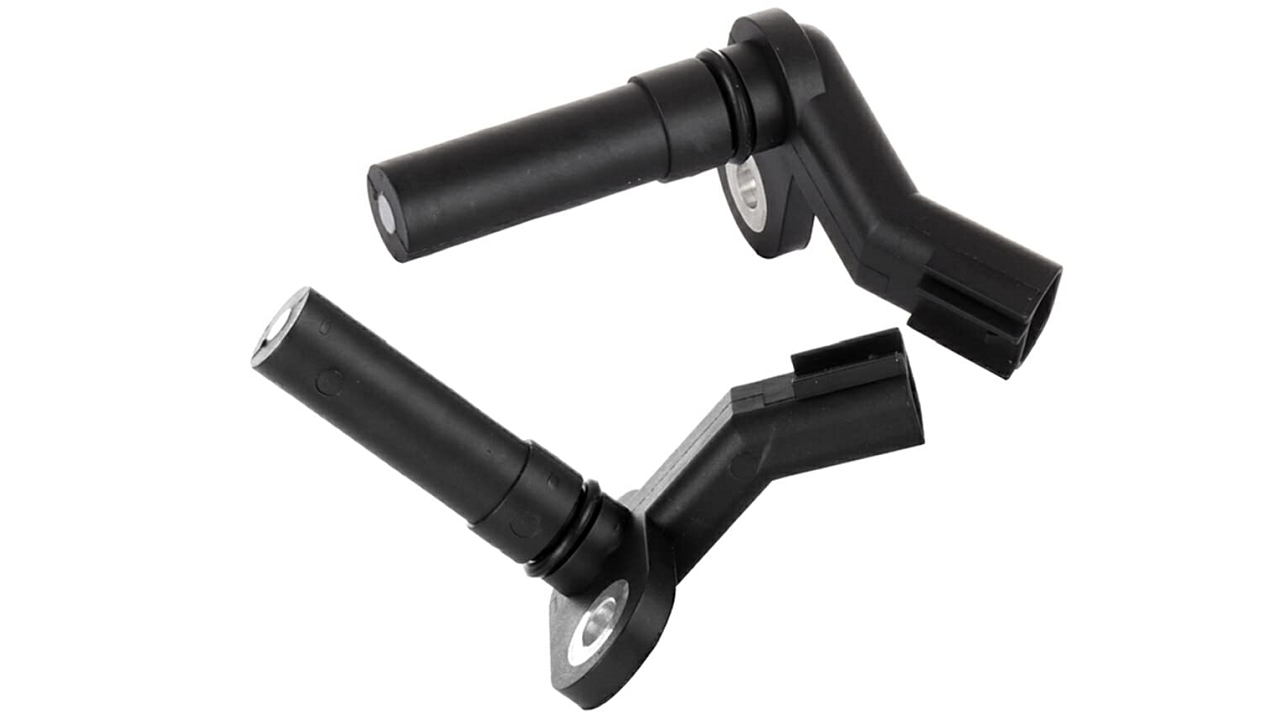
The "Crankshaft Position Sensor" (CPS) is an essential component in modern vehicle engines, particularly those equipped with electronic fuel injection and ignition systems.
Read more…
Home
·
Articles
· Last Edited Aug 27, 2023 · 1,257 views
"Readiness Monitors" are diagnostic self-tests performed by the OBD-II system to assess the proper functioning of specific emissions control systems within the vehicle.
Read more…
Home
·
Articles
· Last Edited Aug 27, 2023 · 355 views
A "P0171" code (system too lean - bank 1) or "P0174" code (system too lean - bank 2) indicates that the engine's air-fuel mixture is leaning towards a condition where there is too much air and not enough fuel.
Read more…
Home
·
Articles
· Last Edited Aug 27, 2023 · 1,085 views
The "OBD-II Freeze Frame" data is a snapshot of critical parameters recorded by the vehicle's OBD-II system at the time a specific trouble code is set.
Read more…
Home
·
Articles
· Last Edited Aug 27, 2023 · 559 views
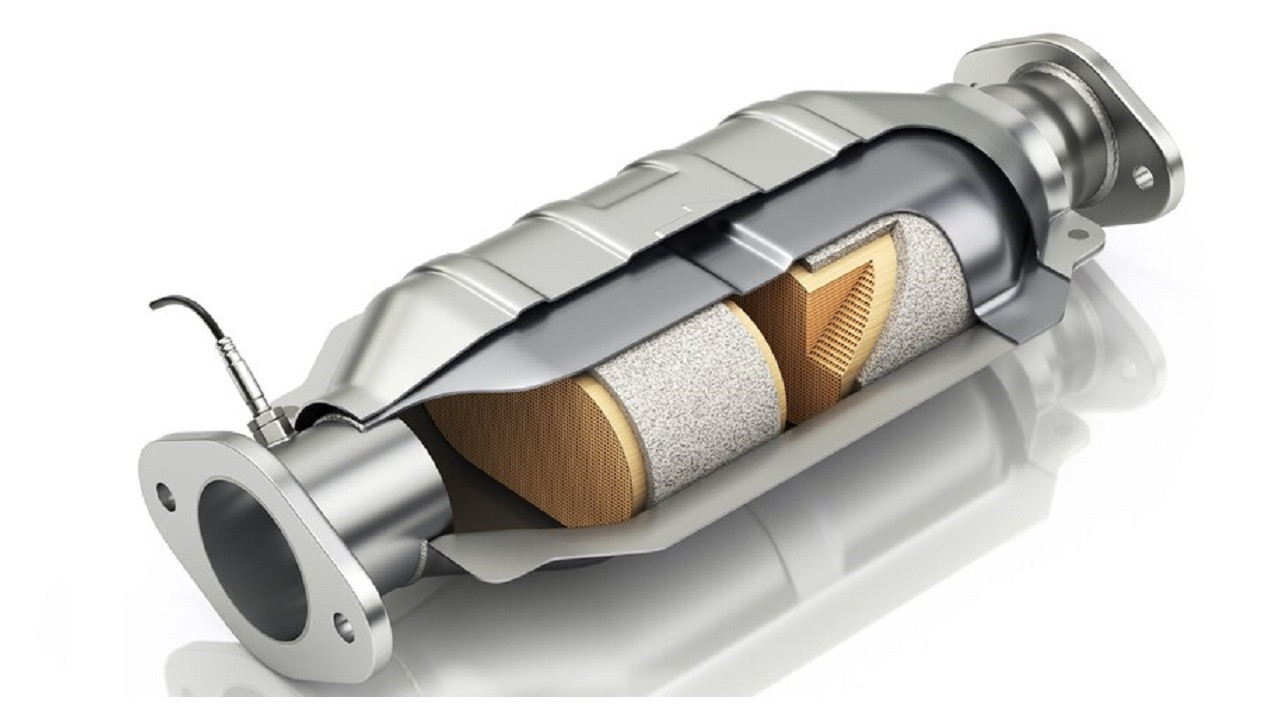
A "P0420" code is related to the efficiency of the catalytic converter. It indicates that the catalytic converter's performance has fallen below the threshold set by the vehicle's OBD-II system.
Read more…
Home
·
Articles
· Last Edited Aug 27, 2023 · 846 views
Fuel trim codes, such as "P0171" (system too lean) or "P0172" (system too rich), indicate that the engine's air-fuel mixture is not within the desired range.
Read more…
Home
·
Articles
· Last Edited Aug 27, 2023 · 265 views
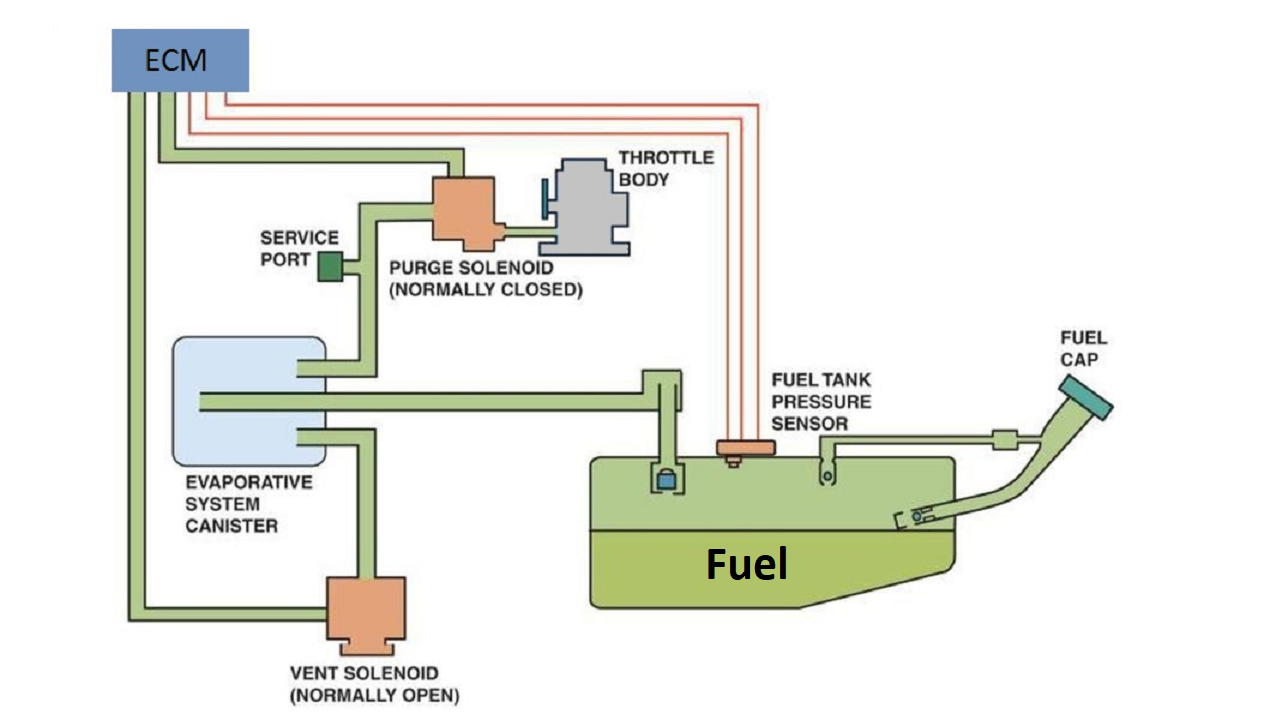
The "EVAP System" (Evaporative Emission Control System) is a vital component of a vehicle's emissions control system. Its primary function is to prevent fuel vapors from the fuel tank from escaping into the atmosphere.
Read more…
Home
·
Articles
· Last Edited Aug 27, 2023 · 463 views
A "P0300" code indicates a random or multiple cylinder misfire detected by the OBD-II system. When the engine control module (ECM) detects misfires, it assigns a specific code to each affected cylinder.
Read more…
Home
·
Articles
· Last Edited Aug 27, 2023 · 1,220 views
Clearing OBD-II codes after making repairs is a straightforward process. However, it's crucial to remember that clearing the codes does not fix the underlying problem that triggered them.
Read more…
Home
·
Articles
· Last Edited Aug 27, 2023 · 483 views
A "Throttle Position Sensor" code, often indicated as "P0120" or similar, suggests a problem with the throttle position sensor (TPS). The TPS is a vital component in the engine control system.
Read more…