
What does it mean when my check engine light is solid?
Last Edited: Aug 27, 2023
Popularity: 350 views
Popularity: 350 views

When your check engine light is solid, it typically indicates that your vehicle's onboard diagnostics system (OBD-II) has detected a potential issue with the engine or emissions system. The solid check engine light means that there is a problem that needs attention, but it is not an immediate emergency. It's advisable to have your vehicle inspected and diagnosed by a qualified mechanic as soon as possible to determine the specific issue causing the light to illuminate.
Common reasons for a solid check engine light include:
1. Malfunctioning Sensor: OBD-II sensors monitor various components of your vehicle's systems. If a sensor detects a reading outside of the expected range, it can trigger the check engine light.
2. Emission Control System Issues: The check engine light often alerts you to problems related to emissions control, such as a faulty catalytic converter, oxygen sensor, or evaporative emissions system.
3. Engine Misfire: A misfiring cylinder or ignition problem can trigger the check engine light.
4. Fuel System Issues: Problems with the fuel system, such as a loose gas cap or issues with fuel delivery, can lead to a solid check engine light.
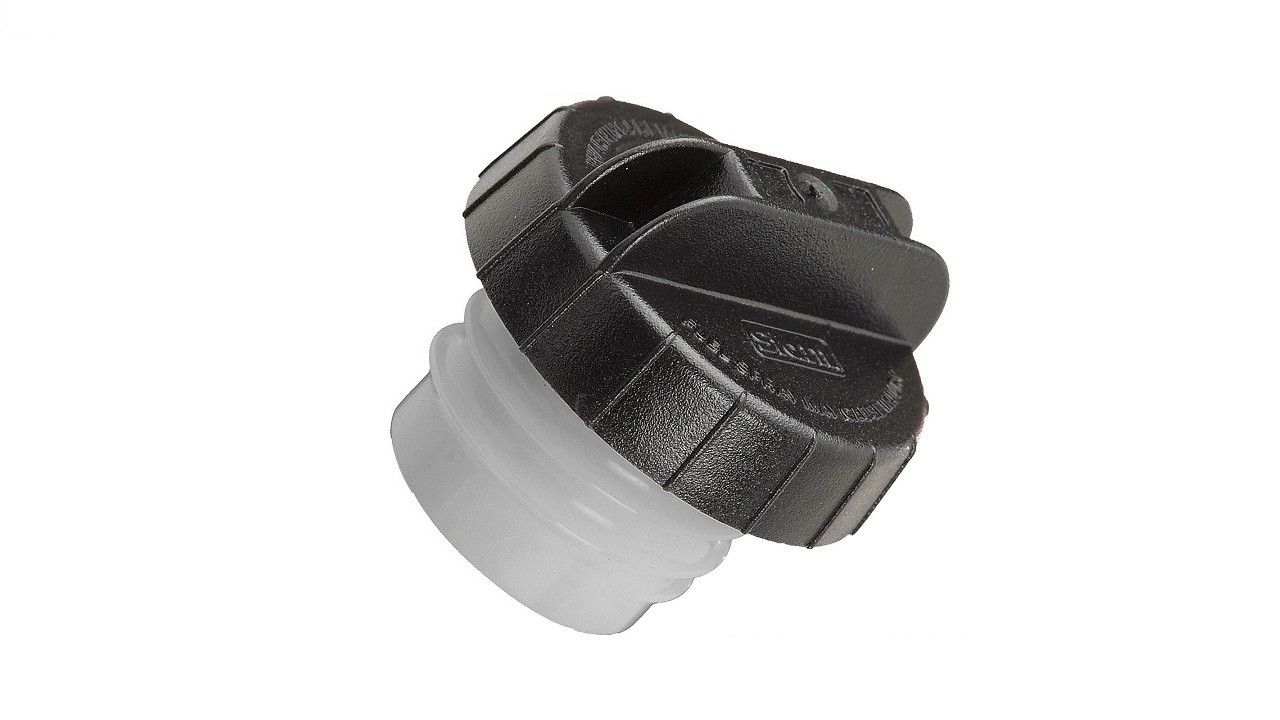
5. Exhaust Gas Recirculation (EGR) System Malfunction: If the EGR system isn't functioning properly, it can trigger the check engine light.
6. Mass Airflow Sensor (MAF) Failure: The MAF sensor measures the amount of air entering the engine. A malfunction can affect engine performance and trigger the light.
7. Catalytic Converter Problems: A failing catalytic converter can trigger the check engine light, affecting emissions and overall engine performance.
8. Ignition System Issues: Problems with the ignition system, such as a faulty spark plug or ignition coil, can lead to a solid check engine light.
It's important to note that while a solid check engine light isn't an emergency, it shouldn't be ignored. Ignoring the light could lead to worsening issues, reduced fuel efficiency, or potential damage to your vehicle. To diagnose the exact problem, you should use an OBD-II scanner to retrieve the error codes stored in your vehicle's computer and then consult a qualified mechanic for proper diagnosis and repair.