
What is a Crankshaft Position Sensor, and how does it affect engine operation?
Last Edited: Aug 27, 2023
Popularity: 412 views
Popularity: 412 views
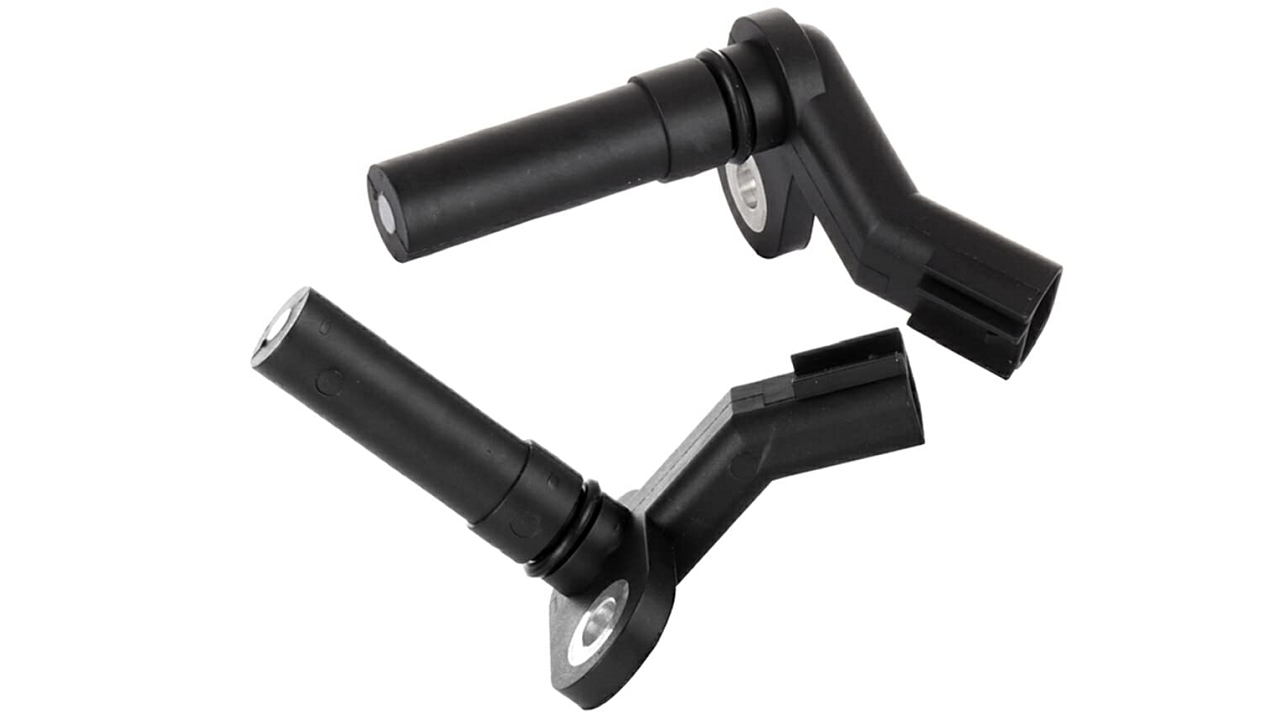
The "Crankshaft Position Sensor" (CPS) is an essential component in modern vehicle engines, particularly those equipped with electronic fuel injection and ignition systems. The CPS is responsible for monitoring the position and rotational speed of the engine's crankshaft, which is crucial for the engine's timing and synchronization.
The CPS provides critical data to the engine control module (ECM) or the powertrain control module (PCM). The ECM uses this information to determine the precise timing for ignition spark and fuel injection. In engines with variable valve timing, the CPS data also aids in controlling the camshaft timing.
The proper operation of the CPS is essential for optimal engine performance and efficiency. If the CPS fails or provides inaccurate readings, it can lead to various drivability issues, including:
Hard starting or no-start condition: A malfunctioning CPS may not send the correct signals to the ECM, resulting in difficulty starting the engine or preventing it from starting altogether.
Engine misfires: Incorrect timing from a faulty CPS can cause misfires, which may lead to rough idling, reduced power, and increased emissions.
Stalling: A failing CPS can lead to intermittent engine stalling while driving, as the ECM relies on accurate crankshaft position data to maintain engine operation.
Reduced fuel efficiency: Inaccurate timing from a malfunctioning CPS can result in suboptimal fuel combustion, leading to decreased fuel efficiency.

When diagnosing issues related to the CPS, it's essential to retrieve any relevant trouble codes using an OBD-II scanner. The OBD-II system may store codes related to the CPS, such as "P0335" (Crankshaft Position Sensor Circuit Malfunction) or similar.
If a faulty CPS is suspected, the component should be inspected for damage or wear. Wiring and connector checks should also be performed to ensure the CPS is receiving power and providing signals to the ECM. If necessary, the CPS can be tested using a digital multimeter or replaced with an OEM or high-quality equivalent part.
Due to its critical role in engine operation, it's crucial to address any issues with the CPS promptly. If you're unsure about the diagnosis or need assistance, consult a qualified mechanic who can accurately identify the problem and perform the necessary repairs or replacement.