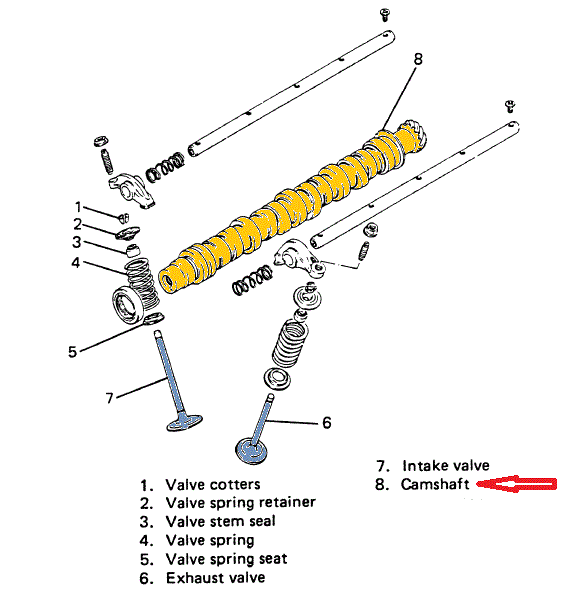
Single Overhead Cam (SOHC)
Overview: Single Overhead Cam (SOHC) refers to a type of engine design where a single camshaft is located in the cylinder head, above the engine's valves. This camshaft is responsible for controlling the opening and closing of both the intake and exhaust valves. The SOHC design typically uses rocker arms or lifters to transfer the motion from the camshaft to the valves. This configuration is commonly found in many four-cylinder and some six-cylinder engines, offering a balance between performance, complexity, and cost.
Benefits of SOHC:
- Simplicity: With only one camshaft to manage, SOHC engines are generally simpler in design compared to their dual overhead cam (DOHC) counterparts, making them easier to manufacture and maintain.
- Cost-Effectiveness: SOHC engines are often less expensive to produce, which can lead to lower vehicle costs for consumers.
- Compact Size: The single camshaft design allows for a more compact engine layout, which can be beneficial in smaller vehicles.
Technical Explanation
Common Symptoms of SOHC Engine Issues:
- Poor Engine Performance: This may manifest as a lack of power during acceleration or difficulty maintaining speed.
- Rough Idling: An engine that idles unevenly or shakes may indicate valve timing issues or camshaft wear.
- Increased Fuel Consumption: If the engine is not operating efficiently, it may consume more fuel than usual.
- Valve Noise: Excessive noise from the engine may indicate problems with the rocker arms or lifters.
- Check Engine Light: Activation of the check engine light can signal various issues, including problems with the camshaft or valve timing.
Diagnosing SOHC Engine Problems:
- Visual Inspection: Start with a thorough visual inspection of the engine components, including the camshaft, rocker arms, and valve covers for signs of wear or damage.
- Compression Test: Conduct a compression test to check the health of the engine's cylinders. Low compression in one or more cylinders may indicate valve sealing issues.
- Valve Timing Check: Verify that the timing belt or chain is properly aligned and functioning. Misalignment can lead to poor performance and engine damage.
- Listening for Noises: Use a mechanic's stethoscope or similar tool to listen for abnormal sounds from the engine, which may indicate issues with the camshaft or valvetrain components.
- Diagnostic Codes: Use an OBD-II scanner to read any diagnostic trouble codes (DTCs) that may provide insight into the engine's performance issues.
Common Repairs for SOHC Engines:
- Timing Belt/Chain Replacement: If the timing belt or chain is worn or misaligned, replacing it can restore proper valve timing and improve engine performance.
- Valve Adjustment: If the engine is experiencing rough idling or valve noise, adjusting the valve clearance may be necessary to ensure proper operation.
- Camshaft Replacement: In cases of severe wear or damage, replacing the camshaft may be required to restore engine performance.
- Rocker Arm/Lifter Replacement: If rocker arms or lifters are worn or damaged, replacing these components can reduce noise and improve valve operation.
- Cylinder Head Repair: If there are issues with valve sealing or head gasket failure, repairing or resurfacing the cylinder head may be necessary to restore engine function.
In summary, SOHC engines provide a practical and efficient design for many vehicles, balancing performance and cost. Understanding the common symptoms, diagnostic methods, and potential repairs can help vehicle owners maintain their engines effectively.