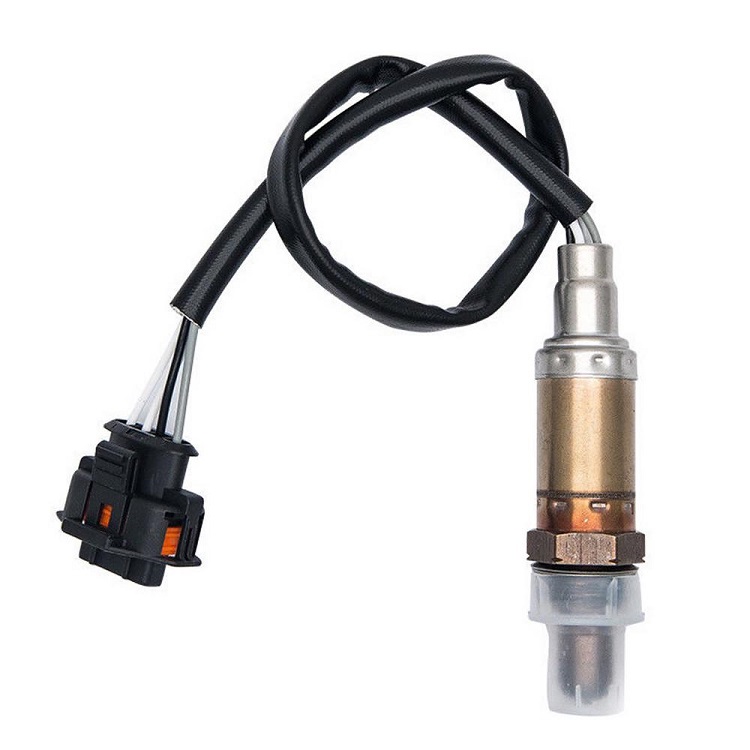
General Explanation:
An oxygen sensor is a crucial component in a vehicle's exhaust and emission system. It is responsible for monitoring the amount of oxygen in the exhaust gases and providing feedback to the engine control unit (ECU) to adjust the fuel mixture for optimal performance and fuel efficiency. By continuously monitoring the oxygen levels in the exhaust, the oxygen sensor helps to minimize harmful emissions and improve overall engine performance.
Technical Explanation:
Common Symptoms:
- Check Engine Light: A faulty oxygen sensor can trigger the check engine light on the dashboard.
- Poor Fuel Economy: A malfunctioning oxygen sensor can cause the engine to run rich or lean, leading to decreased fuel efficiency.
- Rough Idle: An oxygen sensor that is not functioning properly can cause the engine to idle roughly.
- Failed Emissions Test: A failing oxygen sensor can result in increased emissions, causing the vehicle to fail an emissions test.
Diagnosing:
- Use a scan tool to retrieve error codes from the ECU related to the oxygen sensor.
- Perform a visual inspection of the sensor for any physical damage or signs of corrosion.
- Test the sensor's voltage output using a multimeter to ensure it is within the manufacturer's specifications.
Common Repairs:
- Replacement: If the oxygen sensor is faulty, it will need to be replaced with a new one.
- Cleaning: In some cases, the oxygen sensor can be cleaned to remove any buildup of carbon deposits or contaminants.
- Wiring Repair: If the issue lies with the sensor's wiring, it may need to be repaired or replaced.
Overall, the oxygen sensor plays a crucial role in ensuring that a vehicle runs efficiently and emits minimal pollutants. Regular maintenance and timely repairs can help to ensure that the oxygen sensor functions properly and contributes to a cleaner and more efficient vehicle operation.