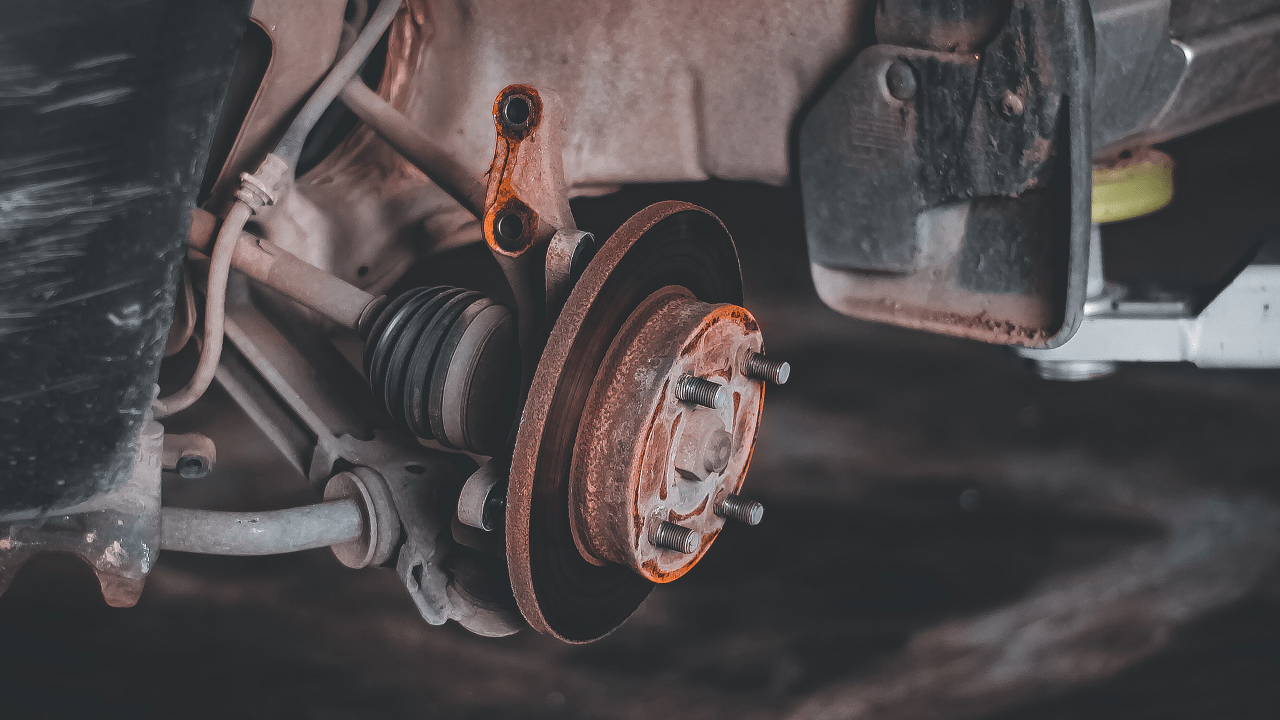
Knowing When to Change Your Brakes: Signs and Guidelines
Last Edited: Aug 27, 2023
Popularity: 414 views
Popularity: 414 views
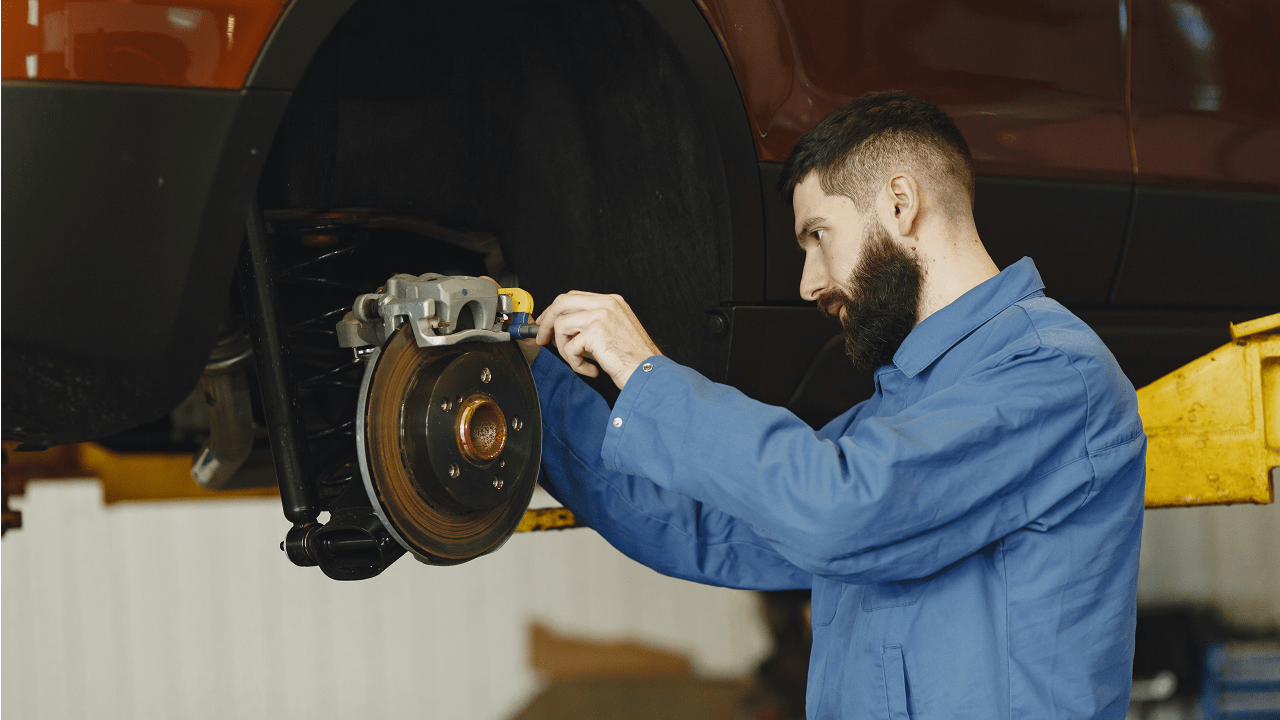
Maintaining a vehicle's braking system is crucial for both your safety and the safety of others on the road. Brakes, being a wear-and-tear component, require periodic attention and replacement. However, the question of when to change your brakes isn't always straightforward, as various factors influence the lifespan of brake components. In this article, we'll explore the signs that indicate your brakes might need replacing and provide guidelines for when you should consider changing them.
Signs Your Brakes Might Need Changing
1. Squeaking, Squealing, or Grinding Noises:
Unusual noises when applying the brakes are a clear indication that something isn't right. Squeaking or squealing noises often suggest that the brake pads have worn down to the point where their wear indicators are making contact with the brake rotor. Grinding noises can signal that the brake pads have worn out completely and metal is grinding against metal.
2. Reduced Braking Performance:
If you notice that your vehicle is taking longer to come to a stop or the brakes feel less responsive, it could be a sign that the brake pads are worn thin or the brake fluid is low.
3. Vibration or Pulsation:
A pulsating sensation or vibration in the brake pedal when you apply the brakes might indicate uneven wear on the brake rotors. This can affect braking performance and should be addressed promptly.
4. Brake Warning Light:
Many modern vehicles have a dashboard warning light that illuminates when the brake system is experiencing issues. If this light comes on, it's best to have your brakes inspected as soon as possible.
5. Uneven Wear on Brake Pads:
If you visually inspect your brake pads and notice that one side is significantly more worn than the other, it could be a sign of caliper or suspension issues that need addressing.
Guidelines for Brake Replacement
1. Manufacturer's Recommendations:
Check your vehicle's owner's manual for the manufacturer's recommended intervals for brake inspection and replacement. These intervals can vary based on driving habits, environment, and the type of brake components your vehicle uses.
2. Mileage and Driving Conditions:
Driving in stop-and-go traffic, hilly terrain, or towing heavy loads can accelerate brake wear. If your daily driving involves such conditions, you might need to replace your brakes more frequently.
3. Visual Inspection:
Regularly inspect your brake components for wear. Check the thickness of the brake pads; if they're worn down to 3mm or less, it's time to replace them. Additionally, examine the brake rotors for any deep grooves or scoring. If you're uncertain about what to look for, a professional inspection is recommended.
4. Brake Fluid Analysis:
Brake fluid plays a vital role in the braking system's operation. If the fluid appears dark or contaminated, it might be time for a brake fluid flush, which can help maintain brake performance and prevent corrosion.
5. Consult a Professional:
If you're experiencing any of the signs mentioned earlier or if you're unsure about the condition of your brakes, it's best to consult a professional mechanic. They can provide an accurate assessment of your brake components and recommend necessary replacements or repairs.
Brakes are an essential component of vehicle safety, and knowing when to change them can prevent accidents and costly repairs. Monitoring for signs like unusual noises, reduced braking performance, vibration, and visual wear is critical. Following manufacturer recommendations, considering your driving conditions, and staying proactive with visual inspections are key to determining the right time for brake replacement.
Remember that brake maintenance isn't something to delay or overlook. Regular inspections and timely replacements can save lives and ensure your vehicle operates at its best. If you're uncertain about the condition of your brakes, don't hesitate to seek the expertise of a professional mechanic who can help keep you and your vehicle safe on the road.