How can I tell if my fuel cap needs replacing?
Last Edited: Aug 27, 2023
Popularity: 399 views
Popularity: 399 views

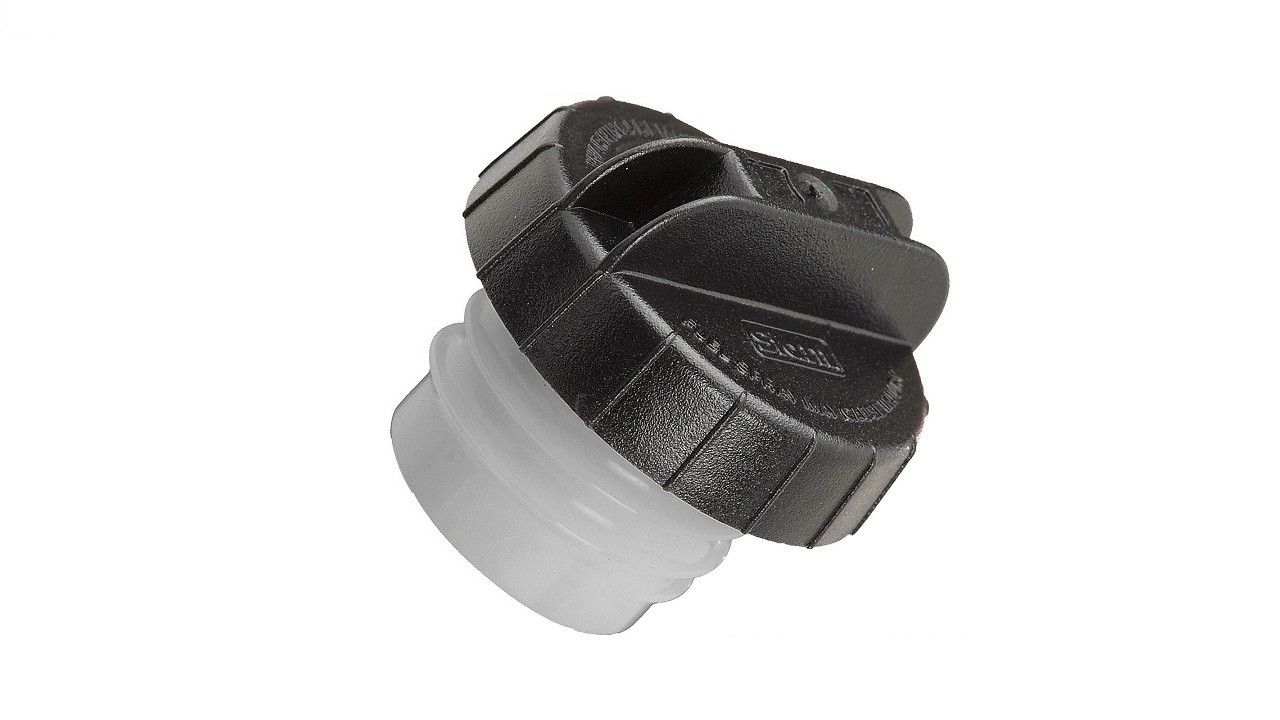
A fuel cap is a critical component of your vehicle's fuel system, as it helps maintain proper pressure within the fuel tank and prevents fuel vapors from escaping into the atmosphere. If you suspect that your fuel cap might need replacing, here are some signs to look for:
1. Check Engine Light (CEL) Illumination: A faulty or loose fuel cap can trigger the Check Engine Light on your dashboard. This is often due to the fuel system not maintaining the proper pressure. If the CEL comes on, it's a good idea to have your vehicle's diagnostic codes read to determine if the issue is related to the fuel cap.
2. Fuel Odor: If you notice a strong smell of fuel around your vehicle, it could be an indicator that the fuel cap isn't sealing properly. This can result in fuel vapors escaping, leading to both environmental concerns and potential fuel wastage.
3. Reduced Fuel Efficiency: A loose or faulty fuel cap can disrupt the proper pressure balance within the fuel system, potentially leading to decreased fuel efficiency. If you're suddenly getting fewer miles per gallon than usual, it could be worth inspecting the fuel cap.
4. Difficulty Filling the Tank: If you find it hard to screw or unscrew the fuel cap, or if you notice that it doesn't "click" when you tighten it, it might be time to replace the cap. A damaged or worn-out cap might not provide a proper seal.
5. Visible Damage: Inspect the fuel cap for any visible signs of damage, such as cracks, breaks, or a worn seal. These issues can prevent the cap from sealing tightly and could warrant replacement.
6. Age and Wear: Like any automotive component, fuel caps can degrade over time due to exposure to the elements, temperature changes, and general wear and tear. If your fuel cap is old or appears worn, it might be a good idea to replace it preventively.
7. Inspection During Maintenance: Regular vehicle maintenance, such as oil changes, provides a good opportunity to inspect the fuel cap. Your mechanic can evaluate its condition and advise you on whether replacement is necessary.
If you suspect that your fuel cap needs replacing based on the above signs, it's important to address the issue promptly. A faulty fuel cap can lead to various problems, including reduced fuel efficiency, increased emissions, and even potential damage to the vehicle's emission control systems. When replacing the fuel cap, make sure to use a cap that is compatible with your vehicle's make and model to ensure a proper seal.