P0420 Troubleshooting Steps
Last Edited: Aug 27, 2023
Popularity: 403 views
Popularity: 403 views

Read Code Information: P0420 Code Catalyst System Efficiency Below Threshold Bank 1
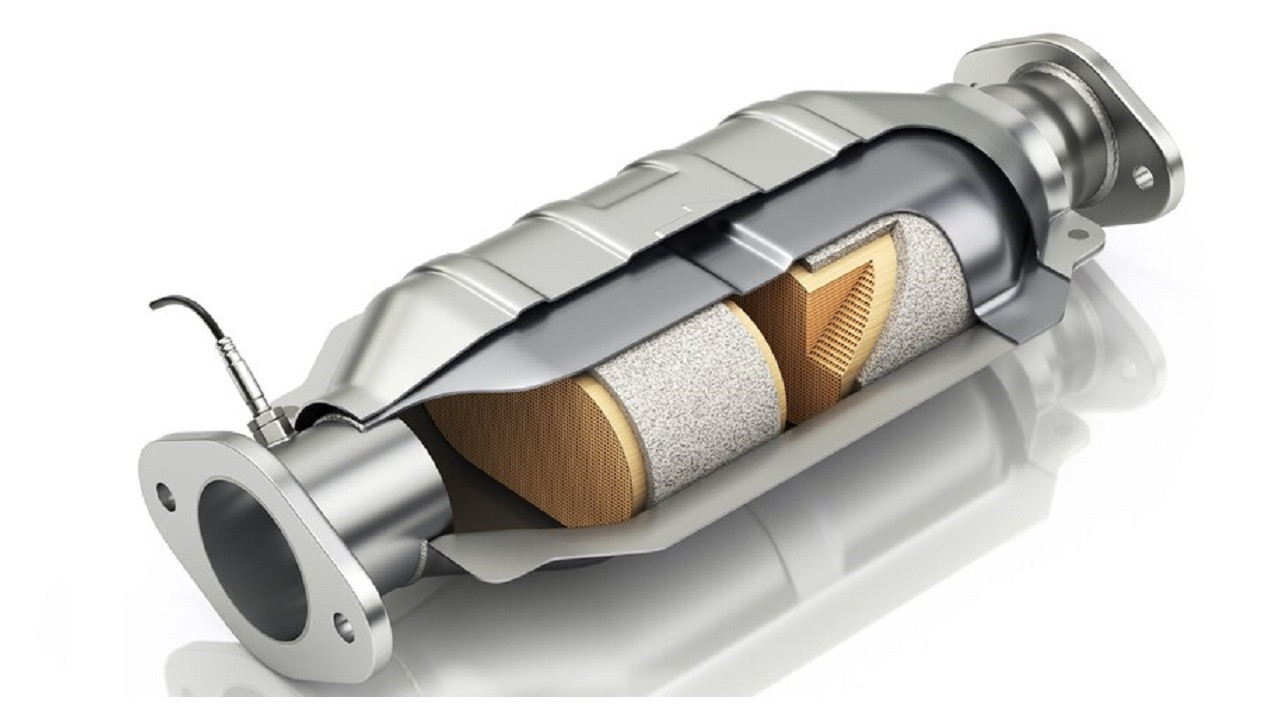
The P0420 code is a generic OBD-II trouble code indicating a problem with the efficiency of the catalytic converter in bank 1 of the engine. It usually points to a potential issue with the catalytic converter or the downstream oxygen sensor. Here's a step-by-step guide to help diagnose and potentially fix the P0420 code:
Note: Before attempting any repairs, it's recommended to have access to the vehicle's repair manual and necessary tools. If you're not comfortable working on your vehicle, consider seeking help from a professional mechanic.
Step 1: Check for Other Codes
Before addressing the P0420 code, make sure there are no other trouble codes present. Addressing other codes that could affect the catalytic converter's performance might solve the issue.
Step 2: Inspect the Exhaust System
Visually inspect the exhaust system for any visible damage, leaks, or rust on the catalytic converter and surrounding components. Ensure that the exhaust is properly secured and does not hang down.
Step 3: Check for Vacuum Leaks
Vacuum leaks can cause incorrect air-fuel ratios, which might trigger the P0420 code. Inspect the vacuum hoses and connections for leaks or damage.
Step 4: Test Oxygen Sensors
Test the upstream (pre-catalytic) and downstream (post-catalytic) oxygen sensors using an OBD-II scanner or multimeter. These sensors play a crucial role in determining the efficiency of the catalytic converter. If the downstream oxygen sensor's readings are too similar to the upstream sensor, it could indicate a failing catalytic converter.
Step 5: Check for Exhaust Leaks
Exhaust leaks upstream of the catalytic converter can lead to false readings and trigger the P0420 code. Inspect the exhaust manifold and the area surrounding the catalytic converter for leaks.
Step 6: Perform a Backpressure Test
A backpressure test measures the exhaust system's pressure to ensure there are no blockages that could affect catalytic converter performance.
Step 7: Check Fuel System
A malfunctioning fuel system can lead to improper air-fuel ratios, which might trigger the P0420 code. Check the fuel injectors, fuel pressure, and related components.
Step 8: Inspect the Catalytic Converter
If everything else checks out, it might be necessary to inspect or replace the catalytic converter. This step is more involved and might require specialized tools. If the catalytic converter is indeed faulty, replace it with a high-quality replacement.
Step 9: Clear Codes and Test Drive
After making any repairs or replacements, clear the trouble codes using an OBD-II scanner. Take the vehicle for a test drive to ensure the P0420 code does not reappear.
Step 10: Monitor Readiness Monitors
Most vehicles have readiness monitors that track the performance of various emissions-related systems, including the catalytic converter. Ensure that these monitors are completed successfully, indicating that the repairs were effective.
If you're not confident in performing these steps yourself, it's recommended to seek the assistance of a qualified mechanic. Additionally, keep in mind that the P0420 code can be triggered by various factors, and the exact cause may vary from one vehicle to another.