
What steps should I take if my car has been exposed to flooding?
Last Edited: Aug 27, 2023
Popularity: 263 views
Popularity: 263 views
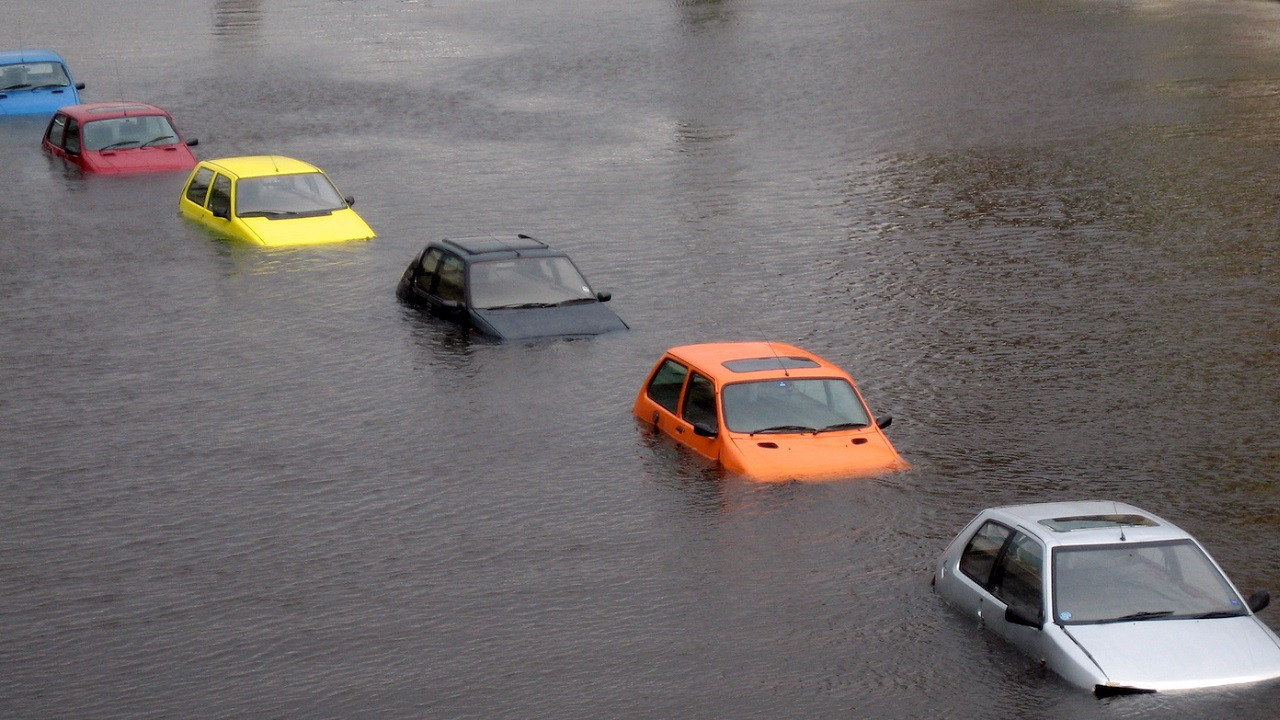
Dealing with a flooded car can be a challenging situation, but there are some steps you can take to assess the damage and potentially salvage the vehicle. Here's what you should consider doing:
1. Safety First: Before attempting anything, ensure your safety. Don't enter a flooded vehicle if the water is still rising or if there's a risk of electrical shock.
2. Assess the Damage: Determine the extent of the flooding. If the water level didn't reach the dashboard, the damage might be less severe than if the water reached higher levels.
3. Do Not Start the Car: Attempting to start the car can cause further damage to the engine and electrical systems if water has entered them. Water can cause internal components to rust and corrode.
4. Disconnect the Battery: To prevent electrical short circuits, disconnect the car's battery.
5. Tow the Vehicle: If the water level was high and the car's interior was flooded, the best option might be to have the vehicle towed to a professional mechanic or a dealership.
6. Check the Oil Dipstick: Check the oil dipstick. If there's water in the oil, it will appear as a milky or frothy substance. If you find this, do not attempt to start the engine.
7. Check the Transmission and Differential Fluids: Check these fluids in a similar manner as the oil. If they're contaminated with water, do not attempt to drive the car.
8. Inspect the Interior: If the interior was flooded, remove all wet carpets, upholstery, and padding. This will help prevent mold growth and further damage.
9. Dry the Car: Open all doors and windows to allow the car to dry out. You can use fans or a wet/dry vacuum to help speed up the process.
10. Check Electronics: Water can damage electrical components. Carefully inspect the electrical systems, including lights, gauges, power windows, and the radio. If you notice any issues, have a professional inspect and repair them.
11. Inspect the Air Filter: If the air filter is wet, it needs to be replaced.
12. Flush and Replace Fluids: If the vehicle is deemed salvageable, you should have the fluids (engine oil, transmission fluid, brake fluid, etc.) flushed and replaced.
13. Consult a Professional: If you're not experienced with car repairs, it's advisable to consult a professional mechanic. They can assess the damage more accurately and provide recommendations on whether the car is worth repairing.
Keep in mind that flooding can cause significant and sometimes irreparable damage to a vehicle. In some cases, the cost of repairs might outweigh the value of the car. If you have comprehensive insurance coverage, contact your insurance company to discuss your options and potential coverage for flood damage.