The Top 10 Most Common Car Problems: Causes, Solutions, and Prevention
Last Edited: Aug 29, 2023
Popularity: 8,807 views
Popularity: 8,807 views

Owning a car offers the freedom of mobility, but it also entails the responsibility of proper maintenance. From minor inconveniences to major malfunctions, understanding the most common car problems can equip you with the knowledge to prevent issues and effectively address them. In this article, we'll delve into the top 10 most prevalent car problems, exploring their underlying causes, potential solutions, and preventive measures.
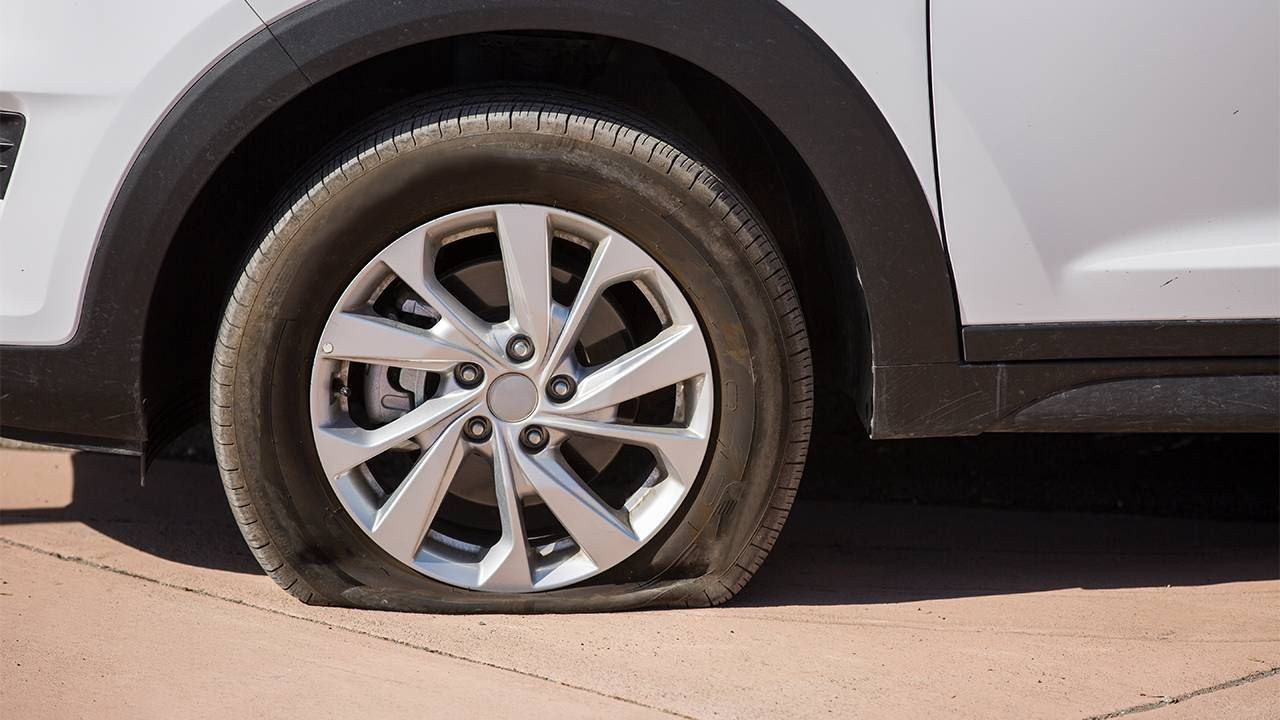
1. Flat Tires:
Dealing with a flat tire is a common frustration. Punctures from road debris or underinflated tires are typical culprits. Regular tire pressure checks and visual inspections can help prevent flats. Having a spare tire and essential tools on hand, along with learning how to change a tire, can prove invaluable.
2. Dead Battery:
A dead battery can leave you stranded at the worst times. Batteries naturally lose charge over time, and factors like leaving lights on or infrequent driving contribute to depletion. Routine battery checks, maintaining clean terminals, and regular driving can extend battery life and prevent unexpected failures.
3. Brake Problems:
Brake issues encompass worn brake pads, malfunctioning calipers, and brake fluid leaks. Regular brake inspections, prompt replacement of worn parts, and consistent brake fluid maintenance contribute to safer driving and effective braking performance.
4. Check Engine Light On:
The illuminated check engine light can indicate anything from minor issues like a loose gas cap to complex engine or sensor problems. Ignoring the warning light can lead to reduced fuel efficiency and emissions. Promptly diagnosing and addressing the root cause of the issue is essential.
5. Overheating Engine:
Overheating can result from a malfunctioning cooling system, low coolant levels, or a faulty thermostat. Regular coolant level checks, proper maintenance of the cooling system, and addressing overheating immediately can prevent severe engine damage.
6. Oil Leaks:
Oil leaks can emerge from deteriorated gaskets, seals, or a damaged oil pan. Regular oil changes, thorough inspections, and quick response to leaks are crucial to preserve engine health and maintain proper lubrication.
7. Transmission Troubles:
Transmission problems manifest as delayed shifts, rough gear changes, or fluid leaks. Adhering to regular transmission maintenance, including fluid checks and replacements, along with driving habits that minimize strain on the transmission, can extend its longevity.
8. Faulty Alternator:
A malfunctioning alternator can lead to battery issues and electrical failures. Dimming lights and dashboard warning lights are common indicators. Regular alternator checks, especially if electrical problems arise, can prevent disruptions.
9. Failed Starter:
The starter motor initiates the engine's operation. Worn-out starters lead to clicking sounds or engine failure. Routine inspections, addressing slow cranking, and proactive maintenance can extend starter life.
10. Worn Suspension:
A compromised suspension system results in poor handling, uneven tire wear, and discomfort. Regular suspension component inspections, replacement of worn parts, and maintaining a smooth driving style contribute to ride comfort and vehicle stability.
Familiarizing yourself with the top 10 most common car problems empowers you as a responsible car owner to anticipate, prevent, and address issues effectively. Regular vehicle maintenance, including adhering to manufacturer-recommended service intervals, fluid checks, and visual inspections, is fundamental to sustaining optimal car performance and reducing the risk of unexpected breakdowns.
While these issues are inherent to car ownership, preparation is key. Equipping your vehicle with a spare tire, basic tools, and learning essential DIY skills like changing a tire can provide peace of mind on the road. Furthermore, staying vigilant to your car's behavior, addressing warning signs promptly, and seeking professional assistance when needed ensure a safer, smoother, and more enjoyable driving experience.