C1337 Toyota Code - Diameter of the Tire is not Uniform
Quick Answer
The Skid Control ECU (Brake Actuator Assembly) measures the speed of each wheel by receiving signals from the speed sensors. Common causes include Tire size or tire pressure of the front or rear tires different, Faulty Speed sensor circuit, Faulty Front speed sensor. Severity is High - diagnose this code as soon as possible. Driving is not recommended if the warning light is flashing, the engine runs poorly, or safety-related symptoms are present.
- What it means
- C1337 Toyota indicates Diameter of the Tire is not Uniform.
- Common causes
- Common causes include Tire size or tire pressure of the front or rear tires different, Faulty Speed sensor circuit, Faulty Front speed sensor.
- Severity
- High - diagnose this code as soon as possible.
- Can I drive?
- Driving is not recommended if the warning light is flashing, the engine runs poorly, or safety-related symptoms are present.


Code C1337 Toyota Description
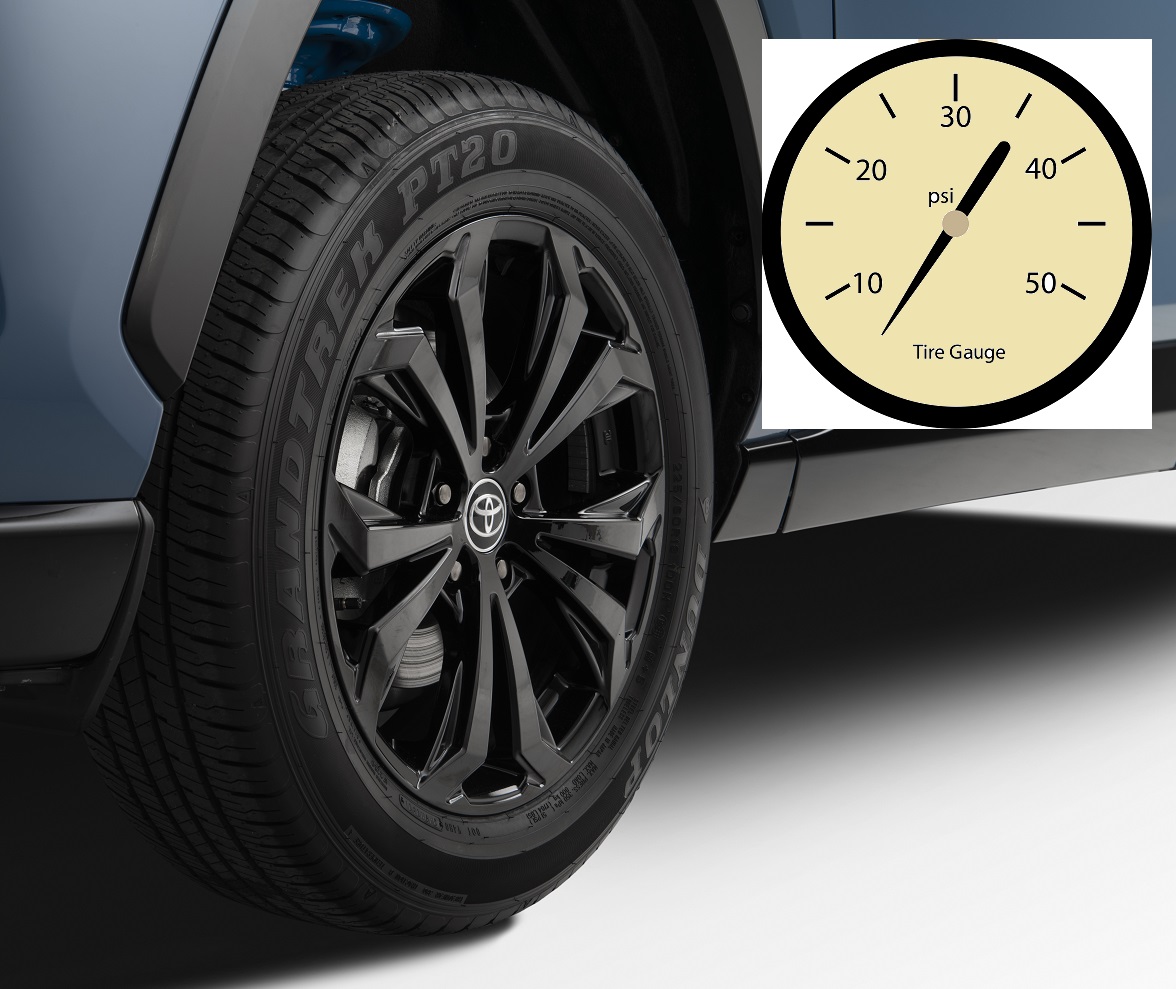
What are the Possible Causes of the DTC C1337 Toyota?
- Tire size or tire pressure of the front or rear tires different
- Faulty Speed sensor circuit
- Faulty Front speed sensor
- Faulty Rear speed sensor
- Faulty Front speed sensor rotor (Front axle hub sub-assembly)
- Faulty Rear speed sensor rotor (Rear axle hub and bearing assembly)
- Faulty Skid Control ECU (Brake Actuator Assembly)
- Faulty Four-Wheel Drive (4WD) ECU Assembly
How to Fix the DTC C1337 Toyota?
Review the 'Possible Causes' above and visually examine the corresponding wiring harness and connectors. Check for damaged components and inspect connector pins for signs of being broken, bent, pushed out, or corroded.
What is the Cost to Diagnose the Code?
Labor: 1.0
To diagnose the C1337 Toyota code, it typically requires 1.0 hour of labor. Rates vary by location, vehicle, and shop. Many shops charge between $80–$150 per hour; dealerships and metro areas may be higher, independents may be lower.
Need more information about the C1337 Toyota code?
Need more information on how to fix the C1337 Toyota code? Get Access to Factory Service Manuals
Need Help with the Code?
Get the C1337 Toyota code diagnosed by a professional: Find a repair shop in your area
Information for Specific Toyota Models
- C1337 2013 Toyota RAV4 — Diameter of the Tire is not Uniform
- C1337 2014 Toyota RAV4 — Diameter of the Tire is not Uniform
- C1337 2015 Toyota RAV4 — Diameter of the Tire is not Uniform
- C1337 2016 Toyota RAV4 — Diameter of the Tire is not Uniform
- C1337 2017 Toyota RAV4 — Diameter of the Tire is not Uniform
- C1337 2018 Toyota RAV4 — Diameter of the Tire is not Uniform
Frequently Asked Questions about C1337 Toyota Code
1. What does OBDII code C1337 for Toyota mean?
The code C1337 in Toyota vehicles indicates that the diameter of the tire is not uniform.
2. What are the common symptoms of OBDII code C1337 in a Toyota?
Common symptoms of code C1337 may include traction control warning lights, ABS warning lights, and potential issues with the vehicle's stability control system.
3. What could cause the OBDII code C1337 in a Toyota?
The most common cause of code C1337 is a difference in tire diameter due to uneven tire wear, incorrect tire size, or a damaged tire.
4. How can I diagnose the OBDII code C1337 in my Toyota?
Diagnosing code C1337 involves checking the tire sizes, tread wear, and overall condition of each tire to ensure they are within the manufacturer's specifications.
5. What should I do if I get the OBDII code C1337 in my Toyota?
If you receive code C1337, it is important to inspect your tires for any irregularities and address any issues with tire diameter differences promptly.
6. Can I drive my Toyota with the OBDII code C1337?
It is not recommended to drive your Toyota with code C1337 present, as it can affect the vehicle's stability and safety systems.
7. How do I repair the OBDII code C1337 in my Toyota?
To repair code C1337, you may need to replace or adjust the tires to ensure they have a uniform diameter and meet the manufacturer's specifications.
8. Can resetting the OBDII system clear the code C1337 in a Toyota?
Resetting the OBDII system may temporarily clear the code, but it is essential to address the underlying tire diameter issue to prevent the code from returning.
9. Will fixing the tire diameter issue resolve the OBDII code C1337 in my Toyota?
Correcting the tire diameter problem is crucial in resolving code C1337, as the code is directly related to differences in tire sizes affecting the vehicle's systems.
10. How often should I check my tire diameter to prevent OBDII code C1337 in my Toyota?
Regularly checking your tire diameter and ensuring all tires are in good condition and have consistent sizes can help prevent issues related to code C1337 in your Toyota.
1. What are the common symptoms of OBDII code C1337 in a Toyota related to the diameter of the tire not being uniform?
- Common symptoms include traction control system warning lights, ABS system malfunctions, and uneven tire wear.
2. What could be the causes of OBDII code C1337 in a Toyota indicating the tire diameter is not uniform?
- Possible causes may include different tire sizes on the same axle, low tire pressure, worn-out tires, or faulty wheel speed sensors.
3. How can I diagnose the issue behind OBDII code C1337 in my Toyota regarding tire diameter uniformity?
- Perform a visual inspection of the tires, check tire pressure, ensure all tires are the same size, and test the wheel speed sensors using a diagnostic tool.
4. Can driving with OBDII code C1337 in a Toyota cause further damage to the vehicle?
- Continuing to drive with this issue can potentially damage the ABS system, affect vehicle stability, and lead to unsafe driving conditions.
5. What are some repair tips for resolving OBDII code C1337 in a Toyota related to tire diameter uniformity?
- Correct the tire sizes, inflate tires to the recommended pressure, replace any worn-out tires, and calibrate the wheel speed sensors as needed.
6. Is it safe to reset the OBDII code C1337 in my Toyota without addressing the underlying tire diameter issue?
- Resetting the code without fixing the tire diameter issue may temporarily remove the warning lights, but the problem will likely persist and impact vehicle performance.
7. How important is it to address OBDII code C1337 in a Toyota promptly?
- It is crucial to address this code promptly to ensure proper functioning of the traction control and ABS systems, as well as maintaining safe driving conditions.
8. Can weather conditions affect the appearance of OBDII code C1337 in a Toyota?
- Extreme weather conditions such as temperature fluctuations and road conditions can impact tire pressure and contribute to the appearance of this code.
9. Are there any preventive measures to avoid OBDII code C1337 related to tire diameter issues in a Toyota?
- Regularly check tire pressure, ensure all tires are properly inflated and of the same size, and conduct routine maintenance to prevent this code from appearing.
10. How long does it typically take to repair OBDII code C1337 in a Toyota caused by tire diameter irregularities?
- The repair time can vary based on the specific cause, but addressing tire diameter issues and related components usually takes a few hours to complete.
Discuss the causes and fixes for C1337 Toyota OBDII Code
Code C1337 Toyota comments
No comments found for this page.

Fix Your Car Smarter
Try the New AutoCodes App!
Get complete OBDII diagnostics, repair solutions, and cost estimates, plus AI chat support on demand.
